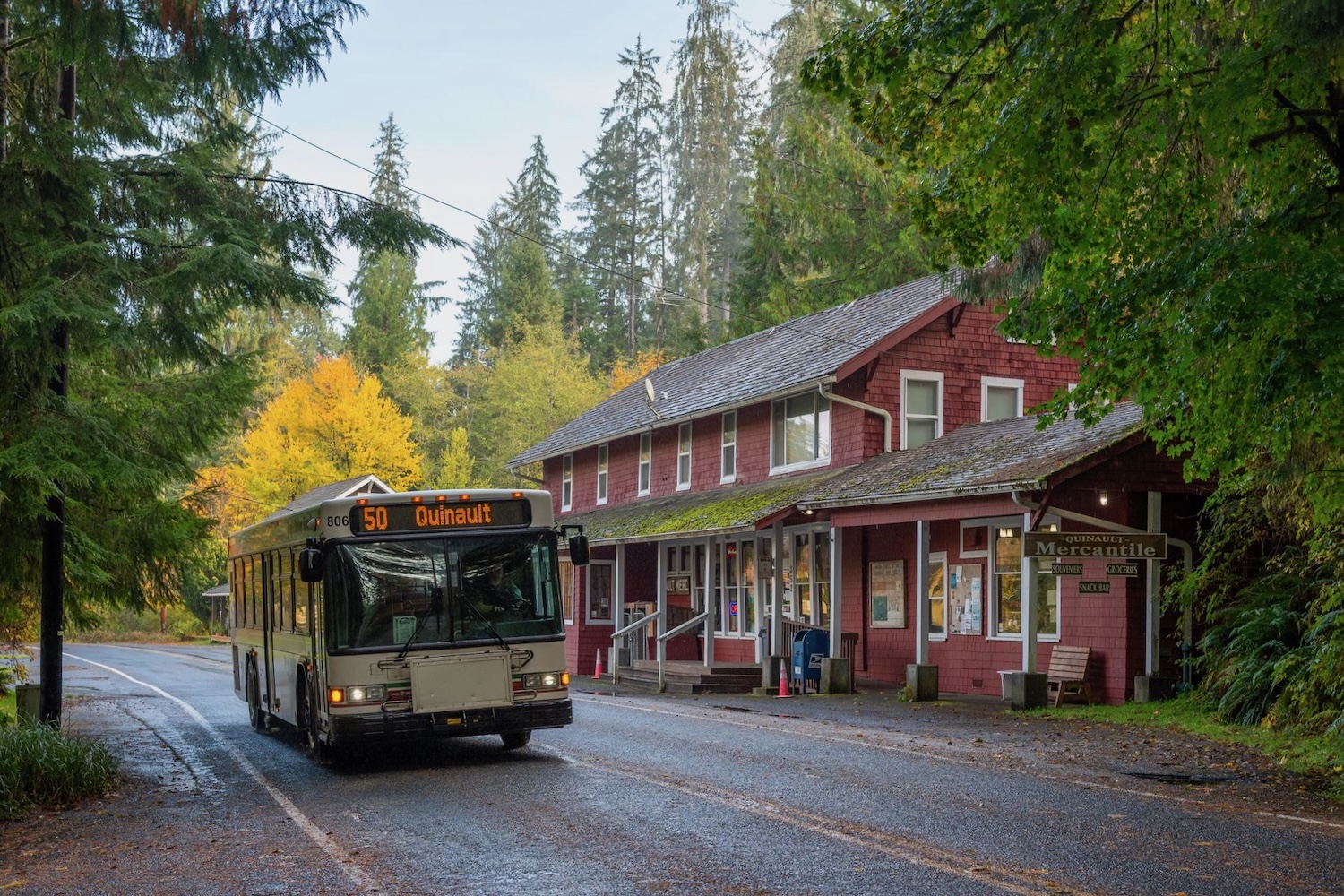

Should you travel from Seattle to Long Beach Peninsula, a vacation spot famous for fresh oysters and coastal vistas, you can do it without a car and for less than the price of a cup of coffee. The nearly 200-mile journey crosses much of western Washington, passing through old logging towns and working-class river communities. Even in these far-flung places, public buses make their daily routes. Though the bus trip from Seattle to Long Beach includes six transfers and takes most of the day, you’ll only pay $3 thanks to the region’s free transit systems.
A combination of new funding sources and local political will allowed many rural counties in western Washington to get rid of transit fares in recent years. Whether the shift will have staying power, though, remains to be seen.
The zero-fare decade
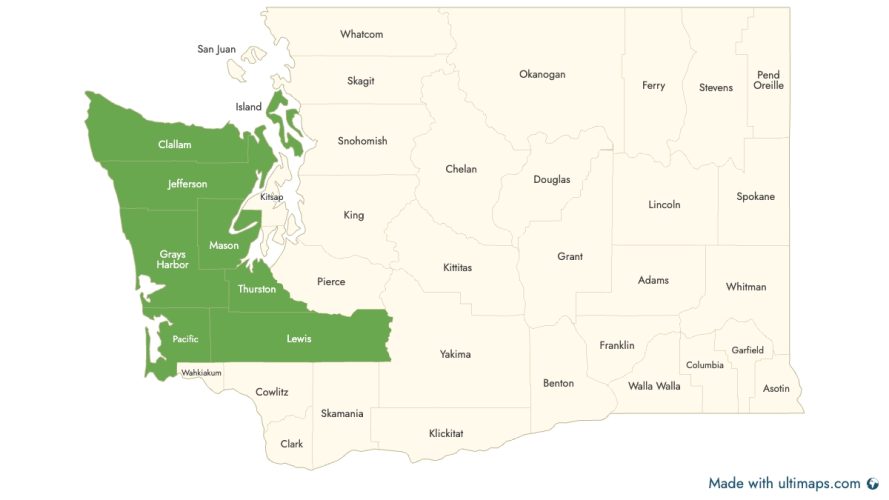
Eight western Washington counties now offer free transit options for all riders: Clallam, Grays Harbor, Island, Jefferson, Lewis, Mason, Pacific and Thurston.
It may sound unusual for so many local governments to offer transit for free, but what’s even more remarkable is that it often helps them save money. “For the rural systems that don’t have a lot of [population] density, it can actually cost more to manage a fare system than what people actually collect,” said Don Chartock, director of the Public Transportation Division at Washington’s Department of Transportation.
In Thurston, the fare-free county with the largest population, officials were surprised to learn just how little fares contributed to their transit agency’s revenue. Thurston’s Intercity Transit agency serves more than 300,000 people across the state capital, Olympia, nearby suburbs, and small towns at the county’s edges. Back in 2018, Thurston residents voted to increase the sales tax by 0.4 percent to improve public transit.
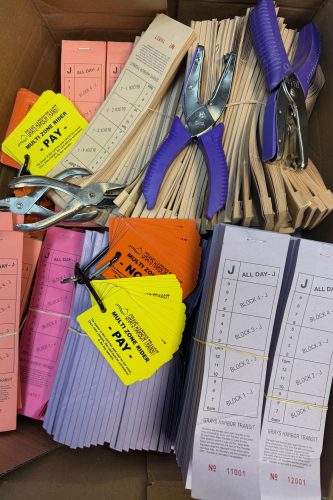
One of Intercity Transit’s goals for the new funds was to make fare collection more efficient. The cost and effort of handing cash was already an issue, but installing new fare card systems would run roughly $7 million, said Nick Demerice, Intercity Transit communications and outreach officer. When the city hired a consulting firm to run the numbers, “what they found is somewhere between 2 to 3 percent of our revenue was being recovered at the fare box,” he said. The majority of the agency’s funding actually comes from local sales tax, which is the case for many transit systems in Washington.
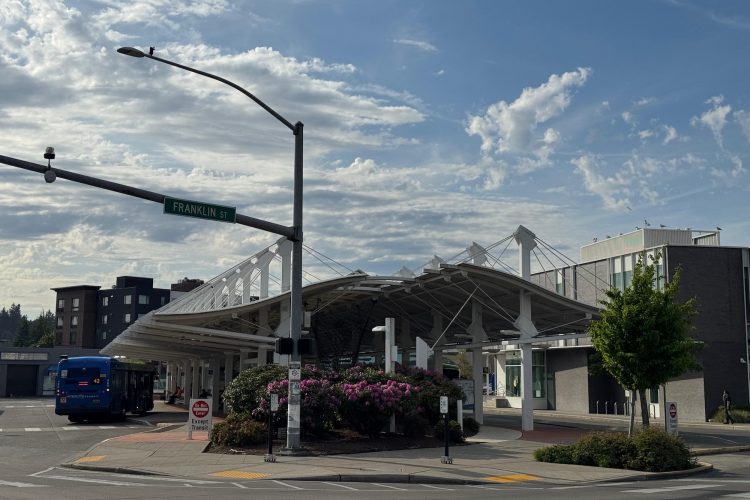
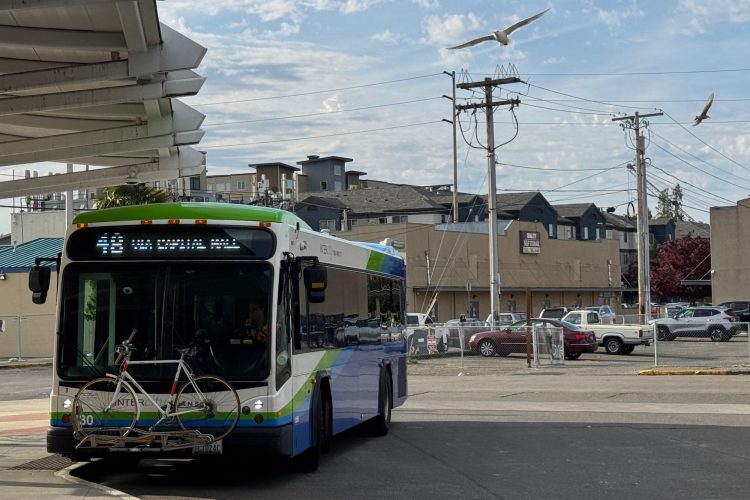
Intercity Transit opted to make all its buses free to ride at the start of 2020. Thurston County now serves as a transit hub connecting the surrounding rural counties, many of which are on the fare-free transit list. At the Olympia Transit Center, “if you sit there for an hour, you’ll see Mason Transit pull in, you’ll see Grays Harbor pull in,” Chartock said.
Shortly after Thurston went fare-free, new state transit funds made cutting fares possible for more counties. In 2022, a Washington transportation funding package dedicated $3 billion of state funds for addressing climate change to public transit across the state. The 16-year funding package included grants offered to transit agencies that made fares free for anyone under 18 years old.
“Our farebox recovery rate is so small and modest that when that extra funding source came along, it was roughly equivalent to what we’re making in fares,” said Eric Lint, communications specialist at Grays Harbor Transit, which serves a coastal county defined by its large bay.
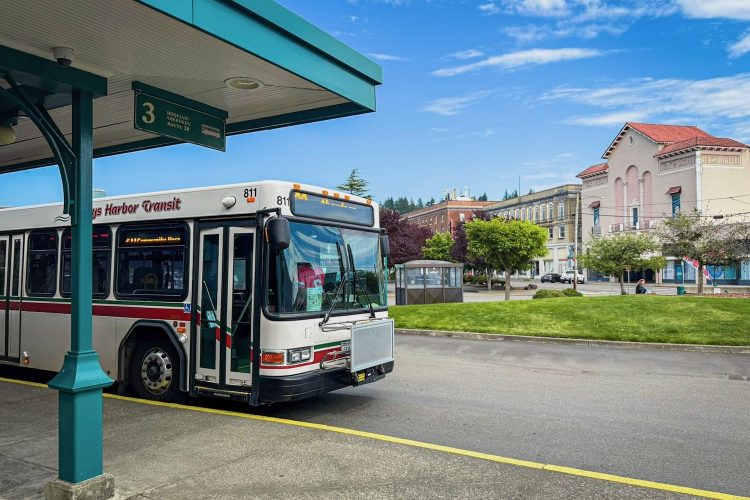
Like Intercity Transit, most of Grays Harbor’s funds come from local sales tax. Lint said the agency also uses funds from two Federal Transit Administration grants that support rural agencies providing local connectivity. With the new Washington state transportation grants added, Grays Harbor County made its transit free for all riders.
A new transit era
Although small towns are often associated with cars, not everyone has the money or ability to use a personal vehicle. The median household income in the rural U.S. is lower than in urban areas, and seniors make up almost 20 percent of the rural population. Where necessities like schools and stores are rarely within walking distance, public transit puts necessary trips within reach for more people and offers access to new options for jobs, healthcare and recreation. When the transit costs nothing, that access is even greater.
“I have been using public transit here in Olympia for roughly 20 years,” said Mike Holbein, a local restaurant chef. “I remember when it was not free.”
Public transit is Holbein’s primary means of commuting to work, the grocery store and anywhere else outside of his neighborhood. Now that it’s free, “convenience is exceptionally high,” he said.
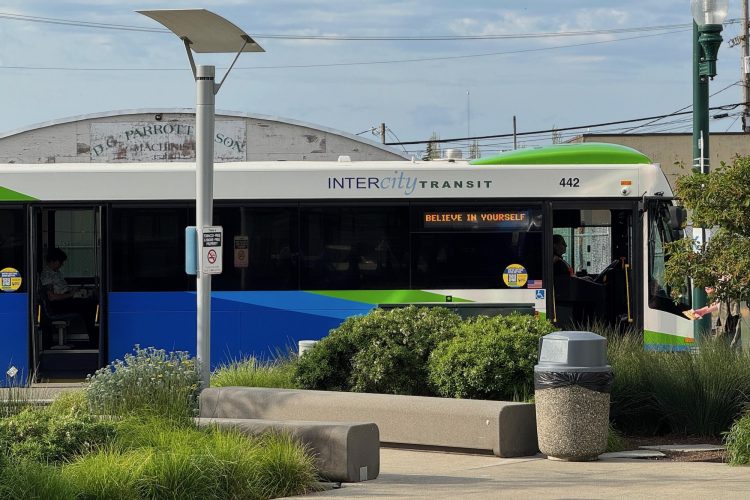
Intercity Transit ran a community survey about two years ago, asking riders how the zero-fare program impacts them. Most respondents said the process is easier, and they appreciate not having to think about how much money is on their card or keeping the exact change on hand, Demerice said.
Getting rid of fares helps riders board the bus faster and with less stress, and it reduces the risk of arguments between riders and drivers. “If you look nationally, fare collection is one of the top reasons for operator assaults and disputes,” Demerice said.
Free-fare counties have already noticed the difference. The Grays Harbor Transit safety training team, which interviews drivers when an incident occurs on a bus, has noticed a decrease in conflicts since fares were eliminated.
At first, going zero-fare was a challenging transition for some long-term drivers, who were initially taught that collecting fares was an integral part of their role, said Robert Andrews, a former bus driver who now trains drivers in Thurston County. But once it became more familiar, drivers also started to see the benefits.
“We see a lot longer retention of employees, not only because of the zero-fare, but just our agency in general and how it operates,” he said. “The zero-fare definitely helps on a deeper level because that’s one less stress that you have to worry about, and it’s only as stressful as you make it.”
Making connections
In some parts of Washington, free transit even extends beyond ordinary buses. “There’s a new trend called microtransit, which essentially tries to do the public sector version of Uber and Lyft,” Chartock said. Grays Harbor County’s microtransit system, called HarborFlex, allows riders to order on-demand rides in a van or SUV outside of regular bus routes but within specific towns in Grays Harbor County. That system is fare-free, too.
“We’re mainly operating it in the small rural towns where we can’t run a fixed-route bus,” Lint said. Even where demand isn’t high enough to justify a regular bus route, it can be enough to justify microtransit options. Seniors often use microtransit for things like meetups at the local library, he said.
These smaller vehicles also allow for responses to extremely specific situations, like when a dialysis center in Grays Harbor County closed temporarily for maintenance in 2024. The clinic had funds for transporting patients to other treatment locations, but the funds ran out when the maintenance took longer than planned. The closest clinics were all about 50 miles away in places like Thurston County’s Olympia.
“Immediately Grays Harbor Transit, Mason Transit and all the different [agencies] along the way got together,” Chartock said. “It’s like, ‘Alright, how do we get these folks to this service that essentially keeps people alive?’”

The agencies and the clinic were able to arrange free rides for the 29 dialysis patients, coordinating schedules and pickup points between different transit providers, until the local clinic reopened.
Even as public transportation becomes more accessible than ever in some places, many of the most rural parts of western Washington lack public transit altogether. Others lack convenient, reliable options for riders — free or not.
Buses often don’t meet local needs for small communities on tribal reservations, for example. “We have one up to Taholah,” Lint said. “It’s a really small fishing town on the edge of the national forest, and our service isn’t very frequent.”
People in Taholah, a coastal village in the Quinault Indian Reservation, say they do use the bus, but it doesn’t typically run when they need it to.
“There would not be enough revenue in the world to meet all of the [transit] needs of a rural area,” Chartock said. The state works with regional transportation planning organizations every few years to figure out how local transit can better serve riders with the resources that are available.
Even in places with longstanding bus routes, people still may not know there’s a bus nearby, much less a free one. “We meet people every single day who don’t know we’re zero-fare,” Demerice said. “We are always, always reminding them.”
The agency hosts in-person events to spread awareness, and it recently sent mailers to every Thurston County home to announce an upcoming route change with a reminder about the free-fare program.
But the people who most need these programs, such as those who lack housing, can be the hardest to reach. In Grays Harbor County, one of Lint’s tasks is reaching out to community members through events like resource fairs for unhoused people to spread the word about free rides.
The road ahead
Given the rising cost of getting around as fuel prices are driven up by the war in Iran, public transit plays a growing role in people’s lives. “With traffic and gas prices, we’re seeing an uptick in ridership right now,” Demerice said. This holds true across the United States, with transit use recently jumping in places like California and Texas.
The fare-free parts of rural Washington see surprisingly high ridership, even compared to other rural regions in the U.S. Ridership per capita in southwest Washington far exceeds the national average for rural areas, Chartock said, citing data from the National Transit Database.
Free fares may play a role in this. A 2026 review of global research on free transit found that eliminating fares can increase rider numbers while helping locals stay socially connected and physically active.
Western Washington residents may be getting used to the perks of free transit, but there’s no promise these programs will last. Intercity Transit’s zero-fare program is currently running until 2028, and the Grays Harbor County board of directors needs to approve its fare policy every year for the program to continue.
Funding is subject to change, too. Anything from an economic downturn to a new board member could lead to reinstated fares. For some riders, that would be a serious financial hurdle.
“The primary way in Washington state … that transits are funded is through sales tax, and it’s all locally passed and supported,” Chartock said. “So, it fluctuates.”
Although cost was never a barrier to public transit for Olympia chef Mike Holbein, he recognizes the issue fares can pose for others.
“Everything has gone up in cost so much in our daily lives that adding another $2.50 or $3 — or whatever it ends up being — to our daily transit, it’ll be impactful for people that have to ride the bus every single day,” Holbein said.
Given the success of fare-free programs so far, and the difficulties of reversing course toward a fare card system, hopes are high for the future of free transit in the region. “I hope we can continue this forever,” Lint said. “For an agency our size, it just makes sense.”