
Many rural populations would benefit from using the public bus or train, if only they could get there. Microtransit programs can help, but they’re not always successful.
What is rural microtransit?
Microtransit is not as complex as it sounds. Different versions of it have existed since at least the 1970s, but it’s slowly garnering new attention as modern technology makes these services easier to run. Similar to rideshare platforms like Uber and Lyft, microtransit is an on-demand vehicle service that picks up a rider where they are and takes them where they want to go. Users typically book a ride via an app or a phone call, and may sometimes ride alongside other passengers heading the same direction.
The catch is: Microtransit programs only run in a specific region, like within a municipality or across a couple of counties. While a van might pick you up at the bus stop on the edge of town and bring you to the next town over, it might not take you on an hour-long ride to the city. These services are typically designed to fill the gaps between where residents live and where public transit runs, help people travel to set locations, or offer complementary paratransit services for people with disabilities.
Filling public transit gaps is critical to accessibility and affordability in rural areas, where people often live miles away from grocery stores, hospitals, schools and workplaces. Less than 2 percent of all public transportation rides across the U.S. are in rural locations, but the majority of those rides are to critical services like work or medical appointments, according to a 2025 American Public Transportation Association report. That’s particularly important for older Americans, who make up about 20 percent of the rural population in the U.S., and people with disabilities, who make up a larger portion of rural populations than urban ones.
Where are these programs running?
While microtransit is far from a household term, it’s up and running in more rural locations than you may expect. On Washington’s west coast, residents of Gray’s Harbor County can schedule rides across several towns for free. The county-run program, called HarborFlex, travels through areas that do not have enough demand to justify a bus route. Officials say seniors often use the service to attend local events, and more than two dozen locals have used it to get critical medical treatment.
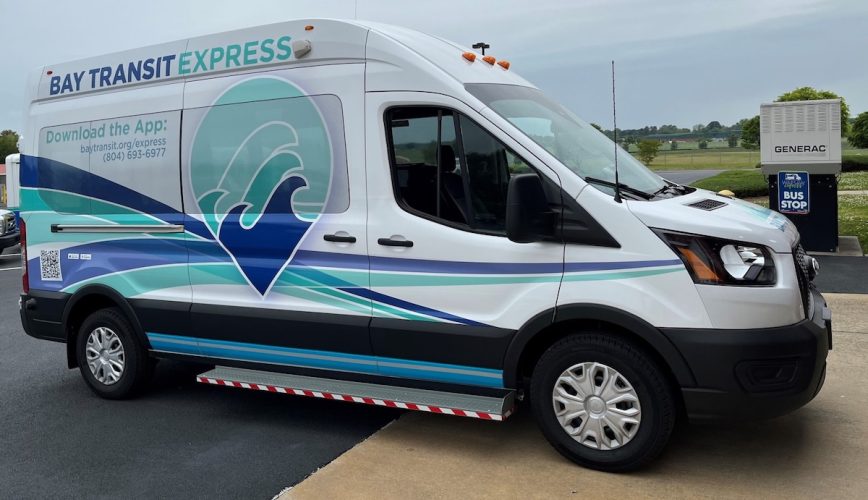
On the other side of the country, the Virginia Department of Rail and Public Transportation turned a successful 2023 pilot into a running microtransit program in two rural counties. The service provided over 48,000 trips over the 18-month pilot, with most riders hailing a van multiple times each week, according to a study from the department. Today, the participating transit agencies, Bay Transit and Mountain Empire Transit, offer on-demand rides across more than 10 counties.
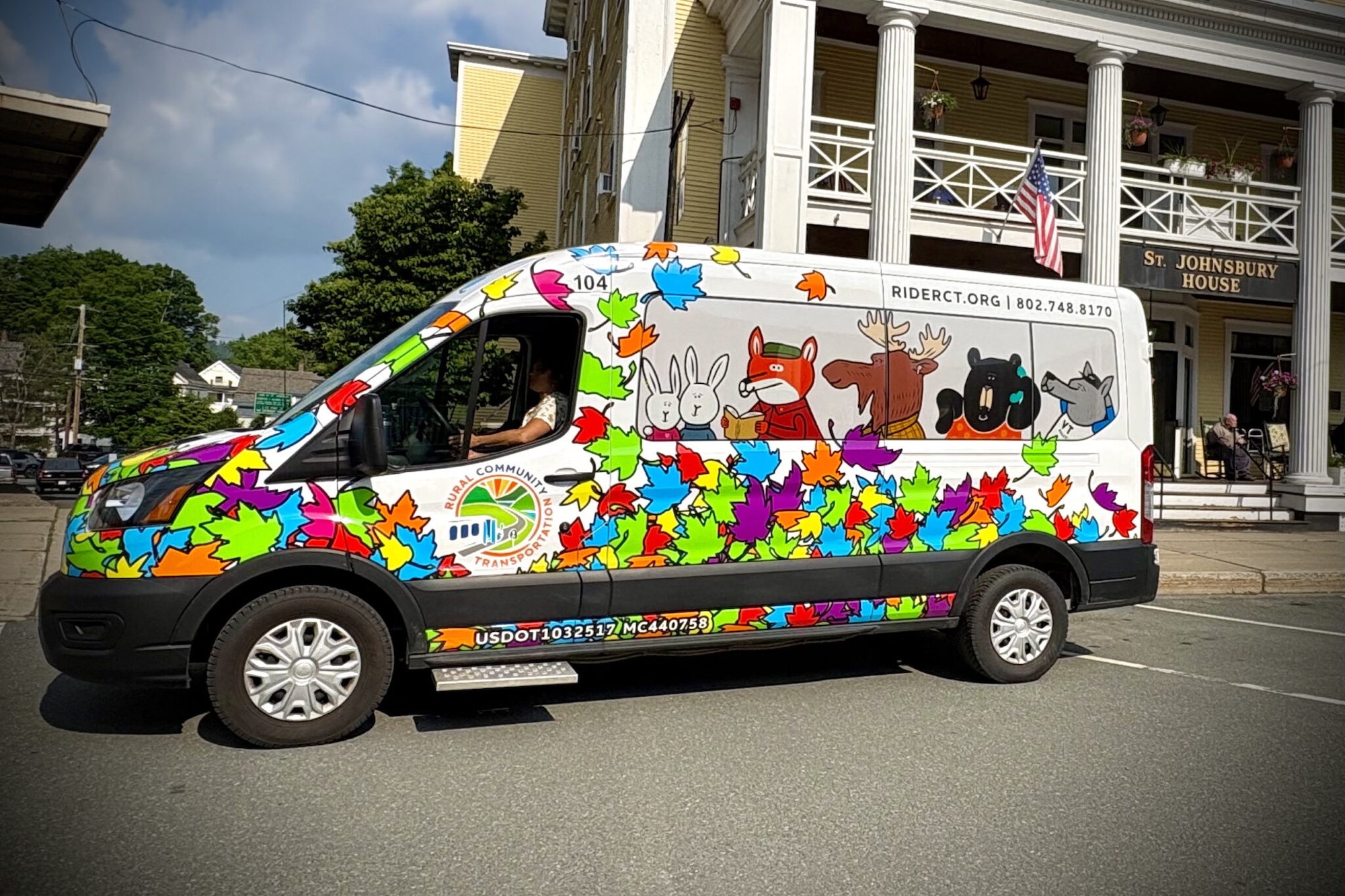
Up north in Vermont, the private nonprofit Rural Community Transportation provides fare-free microtransit rides across two counties. The nonprofit covers expenses like gas, but volunteer drivers make the program possible by donating their time and using their own cars. Rural Community Transportation also offers point-to-point transportation to medical appointments, essential services, and community events for Medicaid clients. Combined, the two programs make up almost 75 percent of the rides given by the agency, according to the nonprofit’s 2025 report. When the microtransit program expanded to Newport (a town of about 4,400 people) after the pilot, monthly ridership in the area reportedly grew by 200 people.
These are just a few examples. Just over 55 percent of public transit agencies are rural, according to the American Public Transportation Association report. And the vast majority of all urban and rural agencies offer demand response services, a category that includes programs like microtransit, late-night rides and point-to-point operations for people with disabilities.
Is microtransit actually working?
The examples above may make microtransit seem like a widely successful experiment, but that’s not the case. Research from 2020 found that 40 percent of these programs fail before the three-year mark, rising to a 50 percent failure rate over seven years. That statistic stands globally, with 50 percent of programs ending within two years. The researchers found a strong connection between failed programs and high costs. Simpler programs with less flexible routes were more cost efficient and more likely to be successful.
For example, a microtransit service that shuttles drivers anywhere within a given zone has the potential to go long distances with no passengers in the car, even in an area with high demand. Frequent long rides and driving without passengers leads to higher costs compared to a service that follows a set route of short stops on a set schedule, particularly in rural areas, according to a 2026 study of a rural microtransit service in California. High costs are an especially difficult hurdle to overcome while transit agencies across the country struggle with unstable funding.
A 2025 study from the University of California Berkeley’s Transportation Sustainability Research Center suggests replacing microtransit services that bring riders anywhere in the region with services that stop at set locations along a schedule could help improve efficiency and reduce costs.
Importantly, the researchers aren’t saying microtransit’s limitations mean rural programs aren’t worth the cost. They instead argue these programs should be carefully considered based on regional context and point out that metrics like accessibility, safety and user satisfaction may be a more appropriate measure of a program’s success. Whether microtransit “works,” seems to be a question each community must answer on its own.