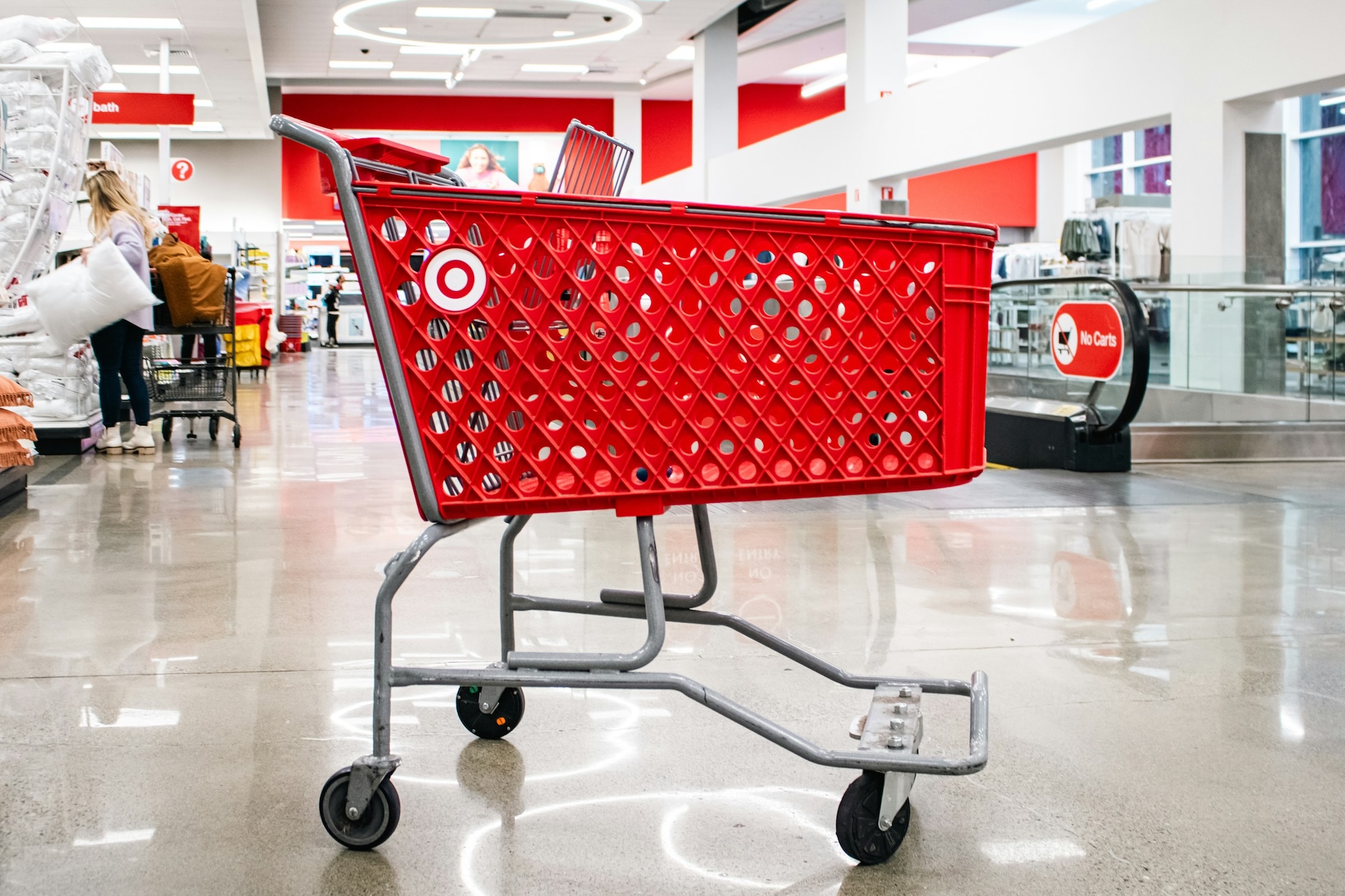

Newly assigned Target CEO Michael Fiddelke thinks 2026 will be the year his company recovers from a yearslong sales slump and puts the controversy over diversity, equity and inclusion (DEI) in the rear-view mirror. But his strategy focused on restoring Target’s commercial culture, including price cuts and a better in-store experience, is curious. It remains to be seen if the company can lure back shoppers without restoring its ethical culture, too.
Corporate cowardice and right-wing activism
After George Floyd was murdered by a Minneapolis police officer in 2020, Target joined many other leading U.S. brands in affirming their diversity, equity, and inclusion principles with outreach focused on the Black community. Executives made bold claims about being “anti-racist,” and companies committed to invest billions of dollars in Black-owned businesses and organizations that claimed to support racial equity.
The outcome of those investments is questionable. Analyses found many of the commitments to be light on details about how funds would be deployed, and billions in committed capital sat unspent years later. But the heightened interest in racial equity topics and talk of a long-awaited reckoning were enough to prompt backlash among right-wing activists.
With an eye toward the 2022 midterm and 2024 presidential elections, they took aim at corporate “wokeness” and loudly complained that DEI programs and policies had gone too far. Online commentators ramped up their hate-filled rhetoric toward the LGBTQ+ community in general and transgender people in particular — threatening brands like Target and Anheuser-Busch’s Bud Light for their perceived LGBTQ-friendly marketing — while their allies in the Republican party leveraged the machinery of government to pass anti-transgender legislation at the state level.
By the summer of 2024, emboldened right-wing activists had threatened John Deere and Tractor Supply with a boycott that prompted both companies to publicly withdraw their DEI policies. Other leading brands including McDonald’s, Target and Walmart followed suit in publicly disavowing their DEI programs soon after U.S. President Donald Trump was re-elected that November.
The switch was a particularly galling reversal for Target, which had pledged $2 billion in spending with Black-owned businesses in 2021 and regularly marketed specialty products for observances like Black History Month and Juneteenth. But Tractor Supply’s experience may have provided Target with some reassurance. Despite a counter-boycott announced by the Black Farmers Association, Tractor Supply reported a sales increase for 2024 after ending its DEI programs under pressure from conservatives.
When boycotts work
Researchers who follow consumer boycotts have noted that they rarely impact corporate revenue. When they do, the target of the boycott is typically a brand that’s already experiencing reputational decline, sometimes for unrelated reasons. Some industry observers say that describes Target to a tee.
“Target customers have soured on what they see as untended and messy stores with lackluster merchandise,” the Associated Press observed at the start of this month when the retailer released quarterly sales results for November to January. “Sales fell 1.5 percent to $30.45 billion during the latest period. For the full year, sales fell nearly 2 percent to $104.78 billion,” AP reported.
But the in-store experience was not the only factor at work last year. Reverend Jamal Harrison Bryant, the senior pastor of New Birth Missionary Baptist Church in Georgia, launched a high-profile boycott of Target in March of 2025, calling on Black shoppers in particular to join him in staying away from the retailer in protest of their move to abandon DEI.
The boycott spread quickly. In an earnings call last May, then-CEO Brian Cornell cited the boycott among other factors behind weak sales, including a broader slump in consumer confidence resulting from President Trump’s tariffs. With the company’s stock price also falling through August, Cornell announced he would step back as of February 2026, retaining the position of executive chairman.
The change in leadership did not make the boycott go away. With the “No Kings” protests and other actions also playing a role, news organizations have persisted in mentioning the boycott among other factors turning consumers off from Target.
When DEI by any other name is not enough
Scrutiny of Target ramped up again in January when Trump’s Department of Homeland Security launched a lethal, unprecedented immigration “crackdown” in Minneapolis, Minnesota, where the retailer is headquartered. Local businesses acted to protect their employees and support their community, but Target merely signed onto a group letter pleading for “peace and focused cooperation” while reportedly allowing immigration agents to stage raids from their store parking lots.
Despite the blowback the company received for its response in Minneapolis, last week Rev. Bryant abruptly announced the end of his boycott campaign, telling USA Today he is satisfied that Target’s ongoing Belonging program is “the exact same thing” as DEI, even though it does not express DEI in so many words. That puts Target in league with other businesses that have altered the way they communicate about their diversity and inclusion efforts, a trend that became commonplace by last year.
But beyond the words it uses, Target’s tepid reaction to the violence in Minneapolis is of a different order. The purposeful authorization of mass violence by federal agents against people of color evokes the post-Civil War South. For decades, law enforcement stood aside as white mobs rampaged through Black communities at will, culminating in the total destruction of the Greenwood section of Tulsa, Oklahoma, (known as “Black Wall Street”) in 1921.
Bryant underscored the success of the boycott in holding Target to account, saying the company has invested 97 percent of its $2 billion commitment to Black-owned businesses and pledged to spend $100 million more. “Aside from the revenue lost by Target, the upsurge of emphasis on supporting Black businesses is awe-inspiring,” Bryant said at a press conference last week, as reported by The Root. “While unemployment is rising, entrepreneurship is surging. Collectively, our community represents the 12th wealthiest nation in the world, and now is the time for us to use it for development, not just consumption.”
But Bryant isn’t the only one boycotting the company. The Minnesota-based organization Racial Justice Network is among those saying it has no plans to let up. At a press conference last Wednesday, founder Nekima Levy Armstrong affirmed that her organization will not call off their boycott until Target publicly reverses its DEI decision and does “the right thing by the people of Minnesota and the people across this nation.”
Picking up the pieces
Boycott or not, Target seems determined to turn the page — and ignore the administration’s adoption of full-on, unapologetic white supremacy. Instead, Fiddelke has promised a renewed focus on budget-conscious shoppers seeking a pleasant in-store environment. Reinforcing the message is Target’s spring getaway-themed collaboration with the aspirational brand Roller Rabbit, known for its insistently upbeat and colorful palette.
Perhaps that approach will help Target, even if not immediately. Bud Light’s experience is instructive in that regard. The brand is recovering from its 2023 sales crash not by working to restore its once-popular position in the LGBTQ+ community, but by embracing an unrelated campaign tied to the extremely genderized world of college sports.
Regardless of how much they directly impact sales, the remaining Target boycotts could have all the more influence as the midterm election cycle heats up. The boycotts help engage voters with candidates that support DEI principles at a time when public opinion polls indicate that Trump’s political brand is sinking. Even his own hard-core voters are beginning to turn away from his disastrous policies, underscored by a $38 billion concentration camp plan, the war in Iran, and the persistent drip of the Jeffrey Epstein scandal. After all, boycotts are said to be most effective when a brand is already in decline…
Image credit: Zoshua Colah/Unsplash