
Welcome to 3p Happy Hour! As we all eye the exit door on Friday afternoons, we’re raising our glasses to the sustainable wine, beer and spirits brands serving up stiff sips with less environmental impact while benefiting communities.
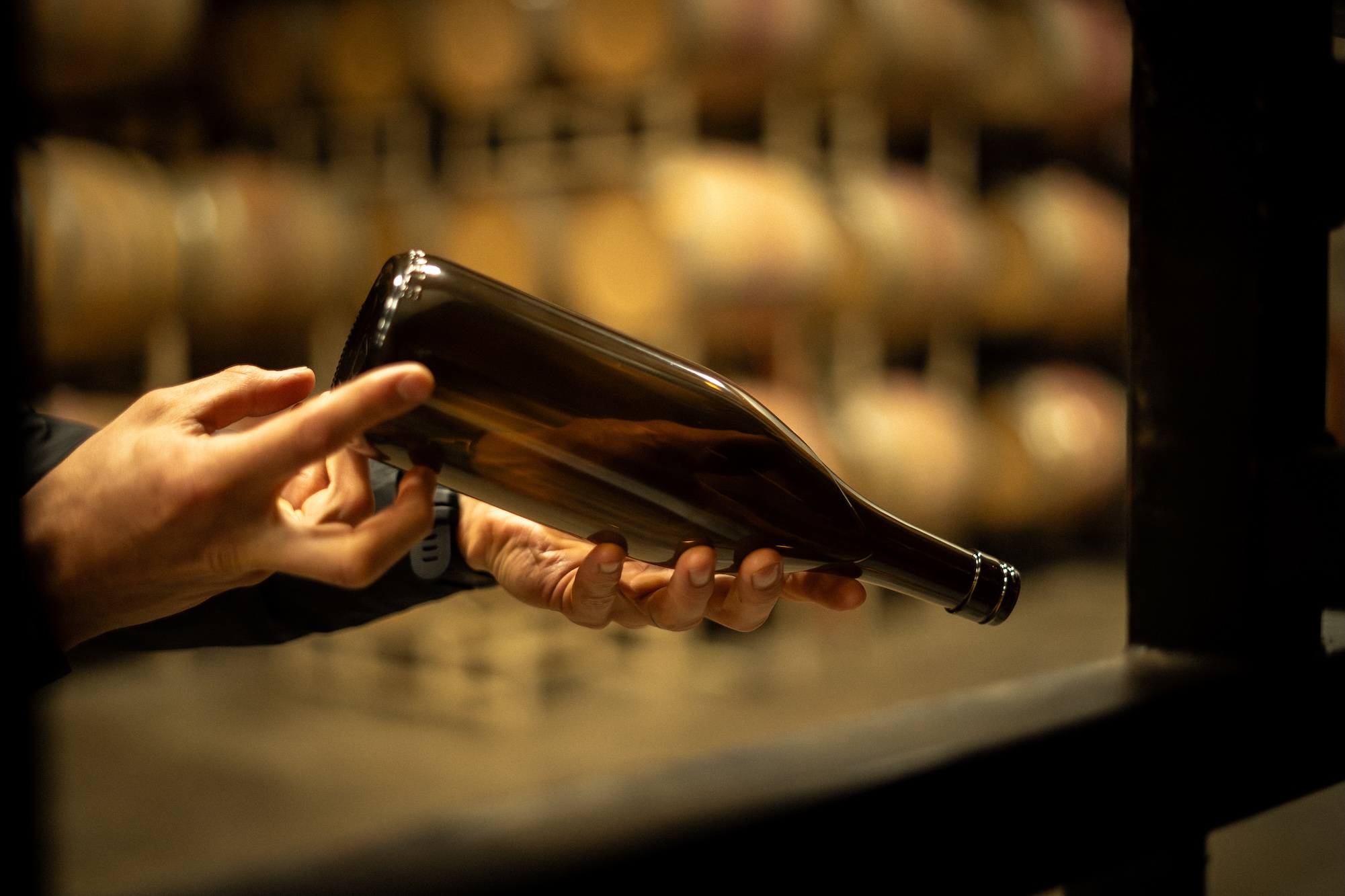
Over the ages, wine was stored in wooden barrels, wax-lined ceramic containers and animal skins. Until the 1600s, glass bottles were a luxury only the rich could afford. That changed during the Industrial Revolution, when the familiar glass bottle emerged as the dominant wine packaging.
While glass can be recycled infinitely and doesn’t impact wine’s flavor, it has a few drawbacks for the planet. Producing glass requires high manufacturing temperatures, and transporting it involves hefty shipping weights, both of which are significant contributors to the wine’s carbon footprint. After all of that, only around a quarter of glass containers in the United States are actually recycled. The majority languish in landfills.
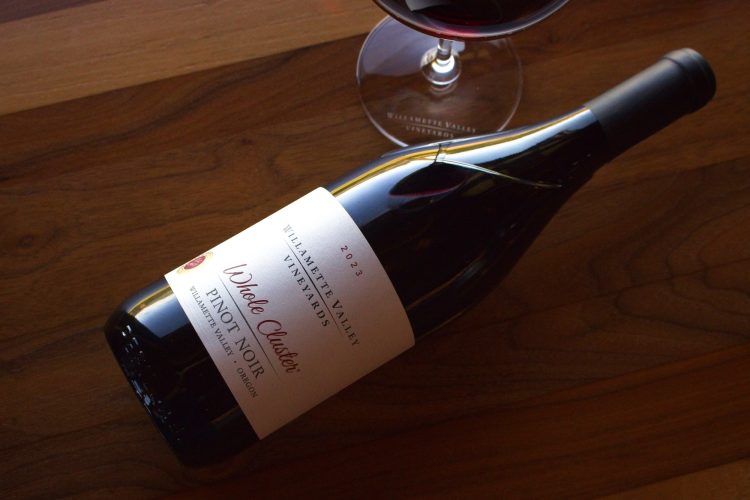
Willamette Valley Vineyards — a collection of vineyards scattered across Oregon and Washington — is doing things differently. Producing a range of pinot noirs, pinot gris and sparkling wines, it’s invested in reusable and lightweight bottles and sustainably-harvested corks.
Packaging with purpose
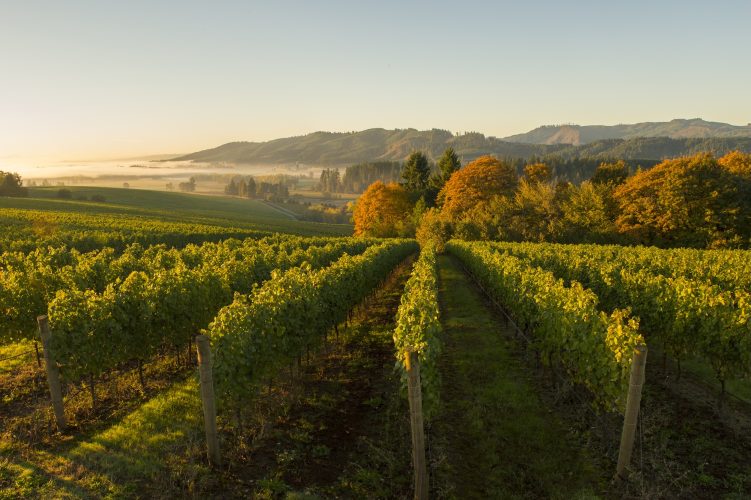
Founded in 1983, Willamette Valley Vineyards embraces biodynamic farming, renewable energy, and oak and pollinator conservation. It’s also spared no nature-friendly details on its packaging, partnering with Oregon-based company Revino to offer reusable bottles.
“Revino is spearheading a reusable wine bottle, not just recyclable but refillable,” said Terry Culton, director of winemaking and vineyards for Willamette Valley Vineyards. “They’re heavier bottles, but you don’t have to recreate a bottle every time. They wash them, and they send them back out.”
Revino’s bottles can be washed and reused up to 50 times. Compared to single-use bottles, these reusable versions reduce greenhouse gas emissions by up to 85 percent, according to the company. But bottle drop-off sites are currently limited to the West Coast, including some of Willamette Valley Vineyards’ tasting rooms and restaurants, so the winery tries to keep the distribution of its reusable bottles within Oregon.
“As they grow, we can go to more sites,” Culton said. “It is a heavier bottle, so shipping it would cost more money and also use more fuel … If we’re shipping something to the East Coast, and there’s no way to recycle it on the East Coast yet, then using a lighter-weight bottle would be the true sustainable approach.”
For that reason, the vineyard uses lighter, but not reusable, glass bottles outside of Oregon. These bottles are 27 percent lighter, reducing their carbon footprint by approximately 10 metric tons, according to Willamette Valley Vineyards.
Recyclable corks
The vineyard is reimagining the rest of the wine receptacle, too. “Our corks are Forest Stewardship Council certified, so you can track the corks back to the forest in Portugal that they came from,” Culton said.
Willamette Valley Vineyards was the first winery to certify its corks with the council, which verifies that forests are sustainably managed to preserve biodiversity and provide social and economic benefits.
The winery also relies on natural corks versus other types of closures — like screw caps, synthetic corks or glass stoppers — for a variety of reasons. Cork oak woodlands are hotspots of biodiversity, home to endemic plants and threatened species like the Iberian lynx and the Spanish imperial eagle. And corks are a sustainable resource, since harvesting a cork oak’s bark doesn’t kill it.
“It has to be at least nine years between the harvesting of the bark,” Culton said. “Then that tree, for the next nine to 10 years, will regrow its bark out again. When it gets thick enough, then they can do it again. So you’re not cutting the tree down to get the bark, you’re using a more sustainable process.”
Once the cork is popped, it goes to the Cork Forest Conservation Alliance, a cork recycling program founded by Willamette Valley Vineyards in 2008. This program collects corks and upcycles them into a variety of products like flooring, insulation, footwear and jewelry. The organization focuses on cork forest conservation and public outreach.

Challenges to a greener pour
Despite the vineyards’ progress, implementing new sustainability programs has a few bottlenecks.
“For the Revino Glass, we had to get a whole system figured out because it didn’t exist before,” Culton said. “Usually, once [the programs] are up and going, it’s not that much of a pain, really. It’s pretty straightforward. It’s more if you’re one of the first wineries doing it, you have to figure it out.”
And the winery has to be efficient with money and resources like fuel when setting up new initiatives, Culton said. Otherwise, the cost-saving and environmental benefits of these programs could be undermined.
Though the U.S. wine industry is facing challenging times, health and environmental concerns are driving over a third of Americans to purchase sustainable wine, according to the nonprofit research organization Wine Market Council. Consumers increasingly recognize that packaging is a critical part of wine’s environmental impact. Fortunately for Willamette Valley Vineyards, sustainability was grounded in its roots by its founder, Jim Bernau.
“He was implementing that back in the ’90s and in the late ’80s, when he was basically a pioneer here putting stuff in the ground,” Culton said. “It’s always been the culture.”
Editor’s note: The author received wine samples from Willamette Valley Vineyards. Neither the author nor TriplePundit were required to write about the brand.