

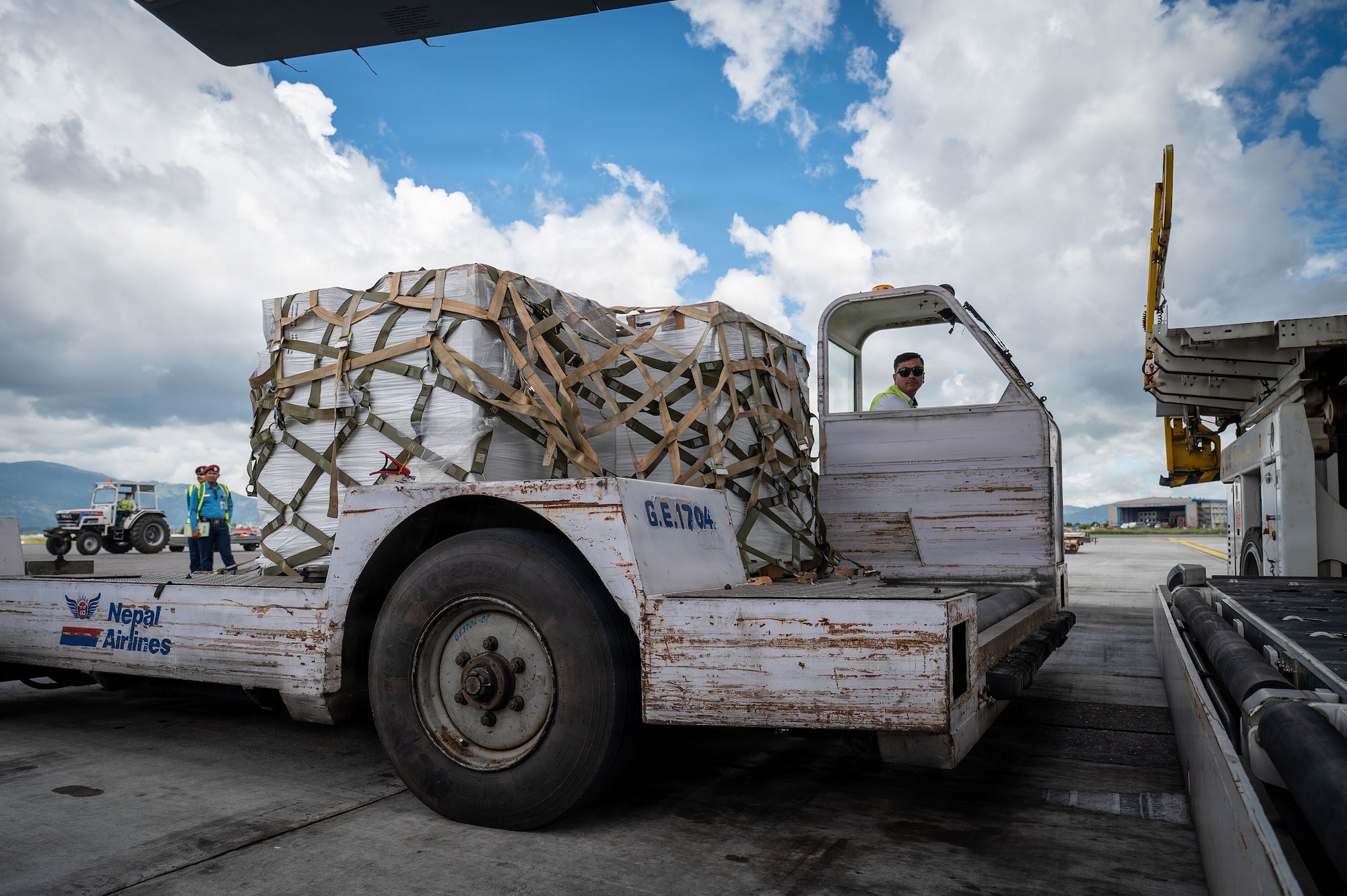

A devastating flash flood wreaked a destructive path in the Himalaya mountain region at the border of central Nepal and Tibet last week. At least 1,252 people were killed, more than 4,200 are still missing, and thousands have been displaced as communities take stock of the damage. Climate-related floods are becoming more frequent, deadly and unpredictable worldwide, forcing emergency planning professionals to rethink their strategies for keeping communities safe.
The Himalayas: A climate canary in the coal mine
The Himalayas have been warming almost twice as fast as the global average for the past 40 years. The evidence is shown in melting glaciers, thawing permafrost, shifting river patterns, and a weakening of the underlying bedrock.
In 2020, researchers noted 47 glacial lakes at risk of flooding, spread across Nepal, China and India. The actual figure is thought to be much higher. According to a 2026 update from the United Nations Development Program and partners, millions of people are at risk from glacial lake flooding in the Himalayas.
The August disaster also illustrates how difficult it is to prepare for climate-related emergencies. A flood hit the same area 14 months ago after a glacial lake burst in Tibet, and disaster officials set up a new response plan focusing on the Gyirong Port complex at the border. However, their monitoring system was not designed to anticipate ice collapsing from a high-altitude glacier. In a matter of minutes, the flooded Trishuli River surged past the border and hit the Rasuwa district in Nepal.
The August 26 disaster was “unlike anything they had prepared for,” New York Times reporters Lily Kuo and Pei-lin Wu emphasized. They cited Dr. Saswata Sanyal of the International Center for Integrated Mountain Development, who explained that the traditional model of single-hazard monitoring is outdated. “There were sensors for flood, flash flood risk, right? But there were not sensors for this kind of ice avalanche,” he told the Times.
Nepal says high-emitting countries should shoulder the cost of climate disaster
The bulk of the disaster occurred in Nepal, where recovery is estimated to cost $5 billion or about a tenth of the country’s total economy. Local leaders are already pressing the case for climate justice, with Nepal Foreign Minister Shishir Khanal saying major greenhouse gas emitters should be responsible for the financial burden of losses caused by climate change.
“We are shifting our diplomatic framework from ‘aid’ to ‘justice and compensation,” Khanal told the Kathmandu Post. “This is not a matter of charity; it is a matter of legal and moral liability. The major industrial emitters, such as China, which is the world’s top emitter, the United States at number two, and India at number three have a historical responsibility to compensate vulnerable nations like Nepal.”
Some nations have affirmed that responsibility through pledges to the international Fund for Responding to Loss and Damage, approved by almost 200 countries at the COP28 climate talks in 2023. But inflows to the fund fall far short of what’s needed to cover the cost of climate disasters in vulnerable countries.
Though experts estimate developing countries will need up to $580 billion to cover their climate-related losses by 2030, only $741 million was committed to the Loss and Damage fund as of last year. Less than $500 million has actually been delivered, and the fund is now at risk of running out of money.
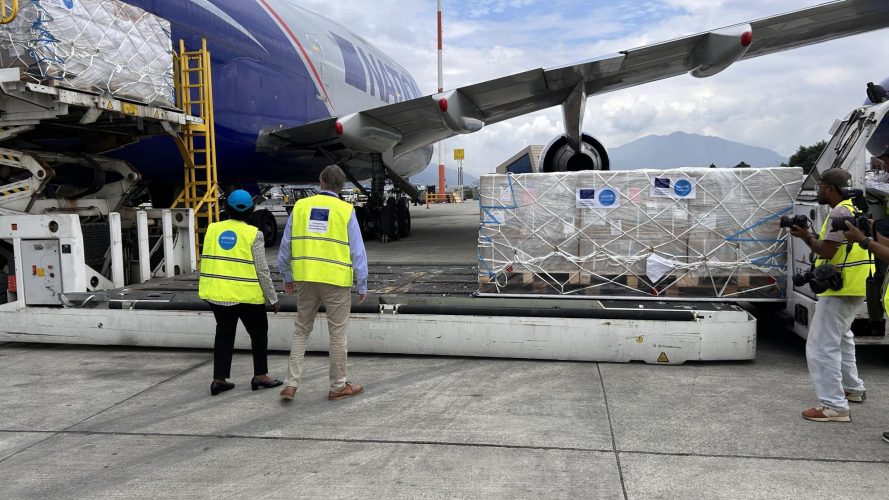
Nearly 30 countries have sent emergency aid to Nepal following the floods, though experts say recovery will be long and challenging.
Flood risk looms large in developed and developing countries alike
While the dramatic changes happening in the Himalayas present an extreme example of the deadly risks of a warming world, the remote mountain villages of Nepal and Tibet are far from the only places facing the threat of extreme floods.
Around 1.8 billion people, nearly a quarter of the world’s population, live in areas with significant flood risk tied to climate change, according to the World Bank.
Even in wealthy nations like the United States, people are purchasing homes and businesses in high flood risk areas without even knowing it. In years past, planners could refer to historic flood records when determining whether or not to buy out properties in at-risk zones, but the historic record is an insufficient guide in the climate-induced flood risk scenario of today.
A growing number of U.S. states are adopting new laws that require detailed flood disclosures on real estate transactions, including a past history of flood damage, to ensure buyers are fully aware of the risks. Some states, such as New York, also require landlords to inform tenants of flood risks before they sign a lease.
But most states are still woefully unprepared, leaving residents in the dark even as risks increase. Only New York, New Jersey, Oklahoma, Texas, Louisiana, Mississippi, and North and South Carolina get an “A” grade in the Natural Resources Defense Council’s flood disclosure law tracker, with Tennessee rated a B for “better.” More than a dozen states have yet to pass a disclosure bill, while the rest are inadequate.
As states and insurance companies find themselves underprepared for the risks ahead, the federal government under Donald Trump not only denies U.S. responsibility for global climate impacts, but seems intent on scrubbing climate awareness from the public consciousness as well.
The multi-front attack has most visibly taken the form of an aggressive energy policy aimed at increasing fossil fuel consumption while obstructing wind and solar alternatives and eliminating energy efficiency programs. More insidiously, upon taking office Trump also ordered federal agencies to wipe references to climate change from their websites, with the U.S. Department of Agriculture further crippled by a planned “restructuring” aimed at driving experienced professionals out of the agency.
As the Natural Resources Defense Council points out in a recent report, the rising cost of flood damage is just one of many contributors to the affordability crisis fostered in part by Trump’s climate change denialism.


