
When the first waves of American industrialization gathered speed in the 20th century, few obstacles stood in the way of new steel mills, chemical plants and other heavily polluting industries in rural communities. It’s why industrial corridors dot scenic riverbanks and agricultural hinterlands across the country. But today’s push to bring manufacturing back to the United States is sparking a new wave of backlash among rural residents who don’t want new industrial infrastructure near them.
That includes a proposed $4 billion aluminum smelter in the small town of Inola, Oklahoma. It’s the first new aluminum plant to be proposed in the U.S. in nearly 50 years, and many of the locals aren’t having any of it.
“The perfect partner”
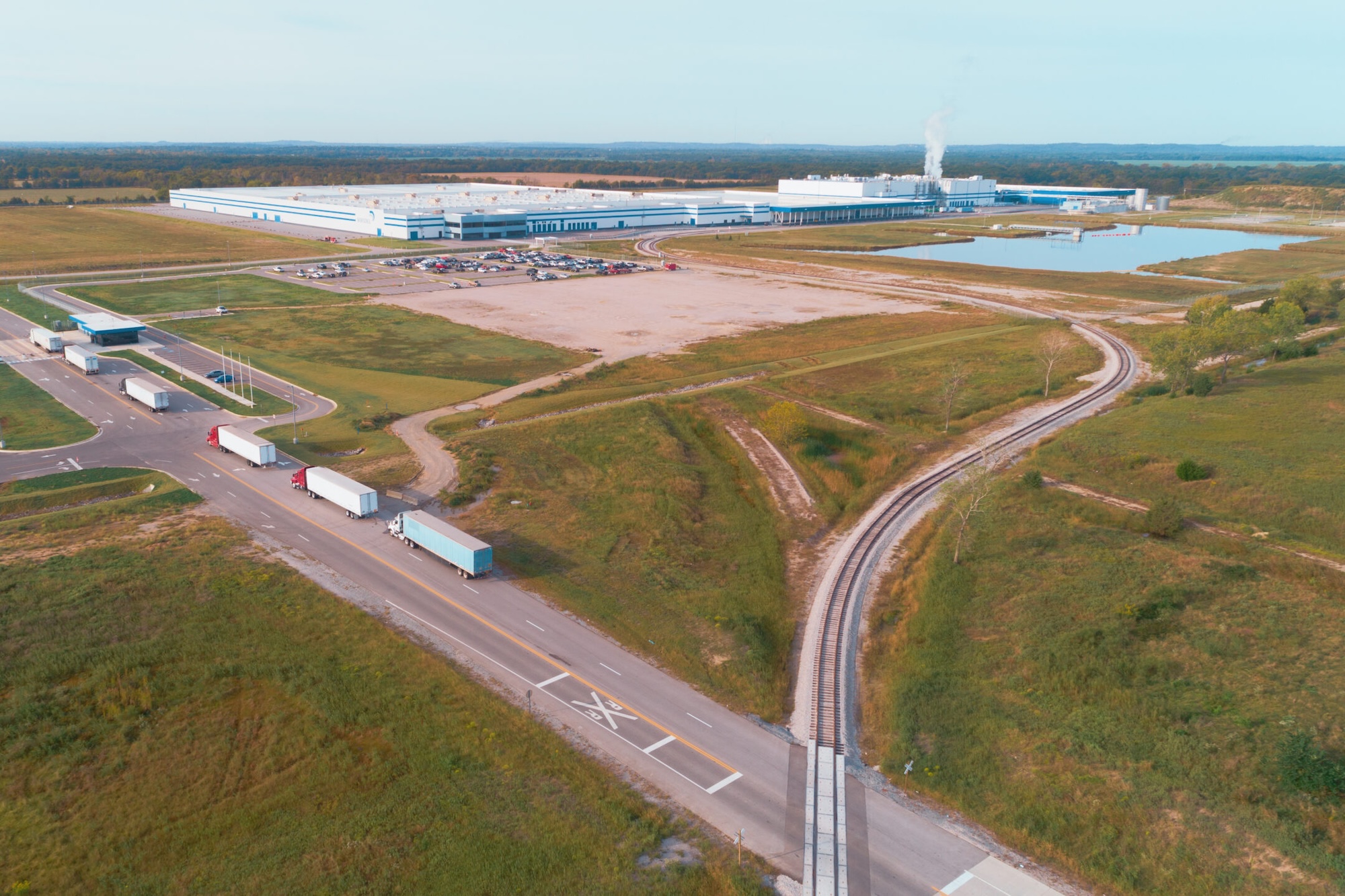
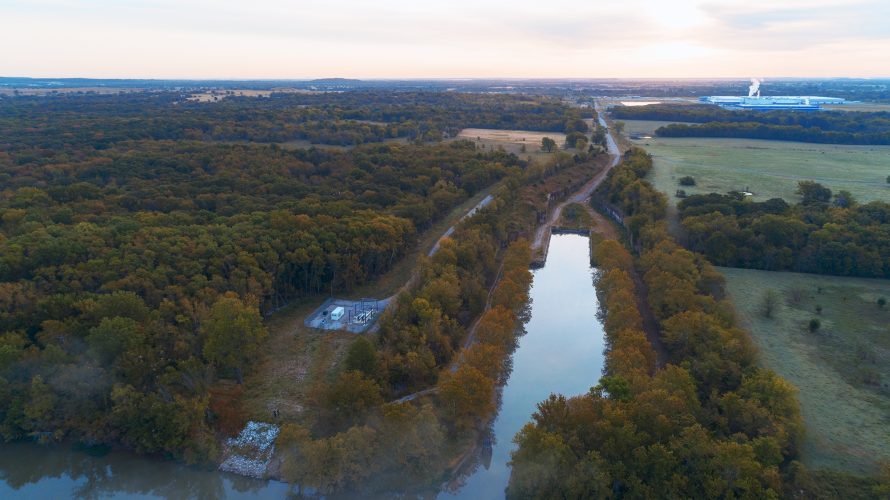
The project at the center of the growing storm is the proposed Oklahoma Primary Aluminum plant. Preliminary planning for the facility is already underway at Tulsa Port of Inola, an industrial park on the McClellan-Kerr Arkansas River Navigation System, a manmade channel stretching from eastern Oklahoma into Arkansas.
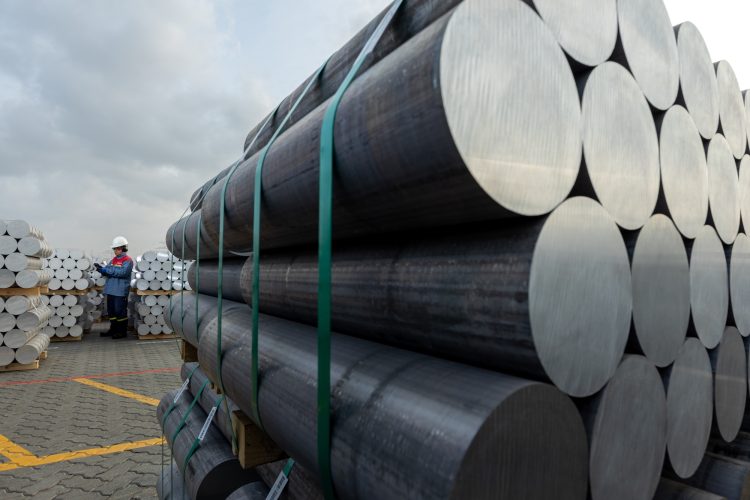
“The plant is expected to have a production capacity of [661,00 U.S. tons] of primary aluminium per year, nearly doubling the United States’ production,” the stated-owned United Arab Emirates firm Emirates Global Aluminium estimated in its proposal for the project last spring. The U.S. imports about half of the aluminum it uses, with the majority coming from Canada.
With the company promising thousands of new permanent and construction jobs, Oklahoma Gov. Kevin Stitt was among those celebrating the proposal, describing Emirates Global Aluminium as “the perfect partner” to bring more manufacturing to the state.
But clouds gathered soon after. The trade organization Industrious Labs surveyed Oklahoma residents about the project in October. While around 60 percent said they approved of the proposed plant because of the economic benefits it could provide, the majority were also concerned about rising pollution and the environmental and health impacts that come with it.
Three-quarters of residents agreed with the statement, “I have environmental concerns about bringing heavy industry like aluminum smelting to Oklahoma,” including 44 percent who “strongly” agreed.
Public sentiment soured further in January when Chicago-based Century Aluminum (majority owned by the Swiss multinational firm Glencore) entered the picture as a 40 percent partner in the project. Century, which has a history of pollution complaints and lawsuits, said the plant would be “larger than previously envisioned,” topping 826,000 tons — more than double the total production among existing U.S. aluminum plants.
Though Century claimed the plant will be “the most advanced ever installed in the United States” thanks to the use of Emirates Global technology, the association cast a pall over the venture. More local residents raised alarm over the project within days of Century signing on.
A toxic bait and switch
Less than 2,000 people live in the town of Inola, and the port is situated alongside rural areas where residents value their rustic lifestyle. At an Inola City Council meeting in February, a group of about six residents showed up to raise objections to the project, although it was not on the agenda. Their concerns included the absence of environmental studies and a failure to adequately notify the community.
“This was brought to us at the bitter end,” said one resident who lives just a few meters away from the proposed plant, local media reported.
Though only a few locals came at first, the numbers swiftly grew, with a March community meeting drawing 75 attendees. By then, residents were also organizing on social media through the Facebook page “Stop the Inola Smelter” and a petition on Change.org, which now counts more than 3,400 verified signatures from residents of Inola and surrounding areas.
Just weeks after Century joined the project, its claims of a “state-of-the-art” facility were falling apart. The Oklahoman newspaper profiled several residents objecting to the proposal, including Thomas Harrington, an Inola local with experience in industrial regulations.
In reviewing public records, Harrington found the plant is permitted to release double the amount of hydrogen fluoride emissions compared to top-performing modern smelters such as those found in Norway. When he contacted the Norwegian Environmental Authority, they warned him about the harm fluoride can cause when released into the air as a gas.
“Studies show hydrogen fluoride, even in small quantities, is highly toxic to plants,” Elizabeth Caldwell of The Oklahoman reported. “Animals that eat affected foliage are poisoned.”
It can also be deadly to humans when airborne. “Hydrogen fluoride gas, even at low levels, can irritate the eyes and respiratory tract,” the U.S. Centers for Disease Control and Prevention advises. “Breathing in hydrogen fluoride at high levels can cause death from an irregular heartbeat or from fluid buildup in the lungs.”
When partisan politics eats itself
With community opposition mounting, the controversy took a curious political turn last month when President Donald Trump endorsed Mike Mazzei in the tight Republican primary race for Oklahoma governor, spurning state Attorney General Gentner Drummond.
The endorsement may not hand the win to Mazzei in the June 13 primary. But it did spark a swift response from the sitting attorney general toward Trump, who previously championed the aluminum project during a 2025 visit to the United Arab Emirates.
Last week, Drummond filed a petition in Rogers County District Court seeking to block the aluminum project altogether. In a press statement, he opened by noting that one of the two companies behind the project is “owned by the government of an Islamic foreign monarchy.”
“The controlling hand behind the largest smelter ever proposed on American soil belongs not to Oklahomans, nor even to Americans, but to a foreign sovereign more than 7,000 miles away,” Drummond stated in the petition.
Those references are clearly xenophobic, specious and rabble-rousing. However, in this particular context, where Drummond has a bone to pick with Trump, they indicate a purposeful attempt to underscore the president’s deep, controversial and growing financial ties with monarchies in the region.
Those points aside, Drummond also substantially cites the key claims of residents — including environmental and public health risks beyond the facility’s property line — alongside the strain on the state’s electricity and water resources.
“The smelter would occupy about 350 acres along the Verdigris River, within about three miles of Inola’s schools, homes and farms,” Drummond wrote, charging that the smelting process “also wreaks havoc on cattle, threatening Oklahoma’s single largest agricultural sector.”
Taxpayers ultimately front much of the cost for the risky endeavor, he argued, including $255 million in state incentives and an Energy Department grant of up to $500 million to Century Aluminum.
The lawsuit touched off a media firestorm, raising speculation that Mazzei’s campaign may have paid Trump for the endorsement. Meanwhile, pressure from residents is pushing town officials toward action.
On Monday, the Inola City Council considered a motion to impose a six-month moratorium on developments in the industrial park, including the proposed smelter. While council members ultimately decided the motion was too broad to pass as written, it agreed to hear a revised proposal from residents at the end of the month.
In the meantime, the council moved to create a community committee to give residents a direct voice in planning for new development. Called Inola Community Accountability Review and Engagement, or ICARE, the committee will focus on activities at the port, particularly in regards to the smelter.
Aluminum, national defense and the power of people
The shrinking domestic supply of aluminum production — from 24 smelters at the turn of the century to just six in 2025 — has raised concerns over shortages and price volatility, impacting sectors including transportation, construction and defense.
In years past, the U.S. could count on friendly allies to secure a reliable supply. However, tensions between the U.S. and top aluminum importer Canada have frayed alongside President Trump’s isolationist policies, including his ham-handed tariffs. Recent allegations of cross-border elections tampering have also contributed to a frosty relationship.
In that regard, Trump’s aggressive posture on Canada has effectively, if not purposefully, strengthened the case for Oklahoma Primary Aluminum, raising the question of whether or not the president intends to benefit personally from the project.
That remains to be seen, but one thing is crystal clear: A small group of people can organize against powerful corporations when they are supported by evidence and expert advice, when they grow their numbers, and when they put persistent pressure on local officials. Similar movements have emerged in the pushback against data centers and immigration detention warehouses. By standing up and speaking out, the Inola community is sending a powerful message of resistance.