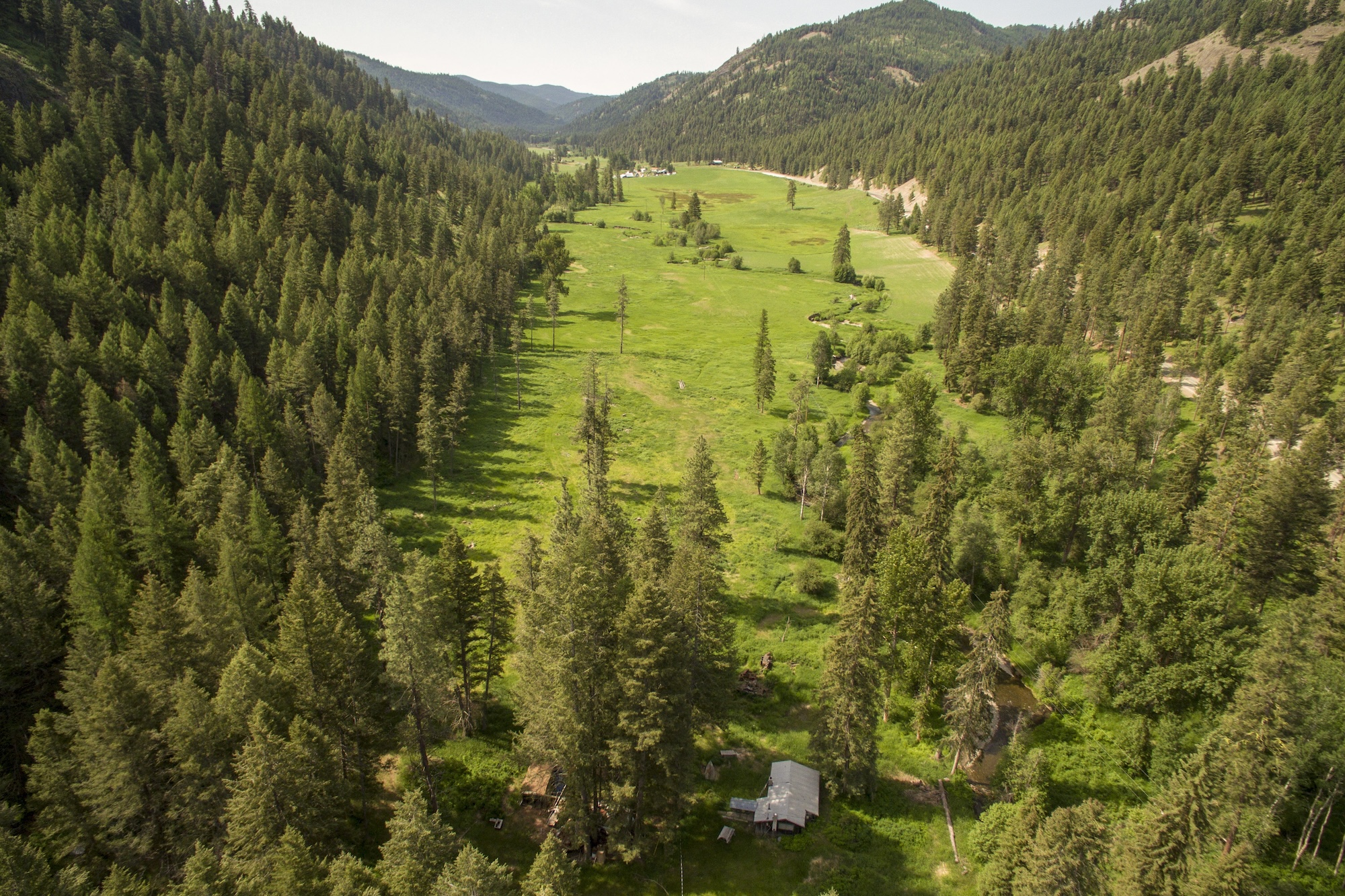

This article is part of our series on responsible mining solutions. The push for clean energy is fueled by a growing demand for minerals, but conventional mining has a track record of harmful social and environmental impacts. A law that supports abandoned mine cleanups could be part of the solution.
The United States Bureau of Land Management estimates that 500,000 mines sit abandoned across the country, and many of them are polluting waterways and exposing communities, plants and animals to health risks.
Environmental organizations and state agencies want to clean up this mess, but they’re often stalled by a daunting legal problem. If they try to clean up an abandoned mine, they could be held responsible for the centuries-old environmental damage the mine has caused due to longstanding federal laws.
“We found that if we stepped in to clean up abandoned mines, we would be treated under federal law as if we were the ones who created the pollution to begin with,” said Corey Fisher, public lands policy director at the conservation organization Trout Unlimited. “All we want to do is make it better.”
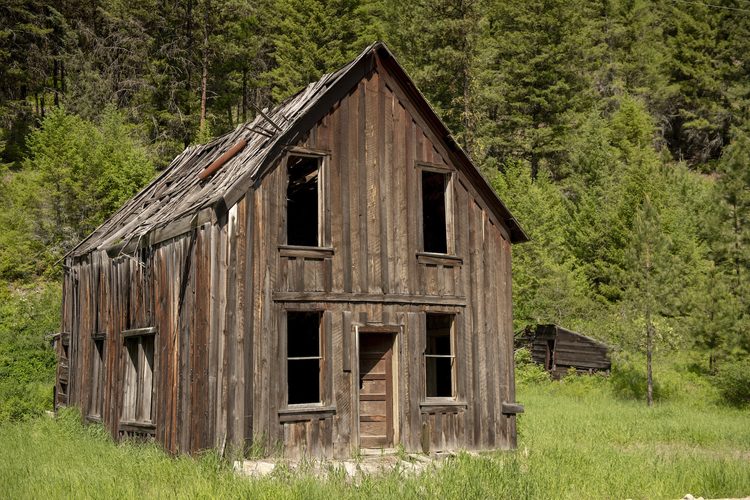
Lawmakers and advocacy groups, including Trout Unlimited, have worked for decades on a Good Samaritan law to provide some legal protection for well-intentioned groups. The Good Samaritan Remediation of Abandoned Hardrock Mines Act was eventually passed in 2024.
The effort faced opposition from environmental groups worried that a liability exemption might allow mining companies to reprocess mine waste for profit, so the act is undergoing a trial run. After seven years and a maximum of 15 pilot projects, the law will expire and undergo review to seek permanent approval.
Bodie Mine gets first Good Samaritan Act approval
In September 2026, the U.S. Environmental Protection Agency (EPA) issued a permit to Trout Unlimited to move forward with a restoration project at the abandoned Bodie Mine in Okanogan County, Washington, under the Good Samaritan Act. It’s the first project to be authorized by the new law.
The size of the Bodie Mine cleanup makes it ideal as the first pilot project under the new law. At 790 tons of tailings set to be removed, it is a very small project by mining standards. Larger abandoned mines can easily contain millions of tons of toxic waste, presenting far greater environmental and liability risks.

Trout Unlimited expects the cleanup to prevent 104 tons of tailings that include arsenic, lead and mercury from eroding into nearby Toroda Creek each year by removing contaminated sediment and soil from the stream and streambank. The project’s estimated price tag of $500,000 will be funded by different public and private initiatives as well as the organization’s membership base.
It’s not the first abandoned mine cleanup Trout Unlimited has done. The organization restored nearly 200 miles of streams and 200 acres of former mine lands across six western states.
“Technically, we could have done the Bodie Mine project without the Good Samaritan law, but it makes it a lot easier and a lot less costly to get those projects implemented,” Fisher said.


Until now, Trout Unlimited had to essentially negotiate legal settlements with the EPA for each mine project. It’s “a long, laborious legal process,” Fisher said. The Good Samaritan Act replaces that with a permit designed specifically for abandoned mine cleanups.
So far, all of the organization’s cleanups were relatively low-risk projects like Bodie Mine. The Bodie project is considered a nonpoint source mine pollution cleanup. Eliminating nonpoint pollution sources, like waste piles that rainwater or streams run over, carries less liability risk because these projects do not usually invoke the EPA’s Clean Water Act provisions.
“We’ve been able to handle those types of projects to either move the stream away from those contaminated tailings, or move the contaminated tailings away from the stream through what effectively is a legal settlement agreement with the EPA,” Fisher said.

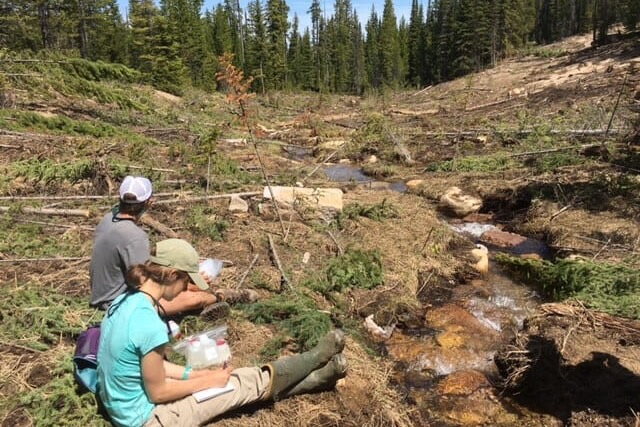
The hope is that the Good Samaritan Act will allow organizations and state agencies to also conduct point source cleanups, which would invoke the Clean Water Act provisions, without facing major liability issues. Point source mine pollution cleanup — where the source of the pollution is singular and can be easily identified, like a leaking pipe or drainage ditch — requires water treatment and is subject to stricter regulation.
“Just like NGOs, state abandoned mine programs are mostly not able to do water treatment at hardrock abandoned mine sites right now because they may have to obtain National Pollutant Discharge Elimination System (NPDES) permits for those sites, which simply isn’t practical or economical in most cases,” said Ryan Ellis, director of legislative and regulatory affairs at the Interstate Mining Compact Commission.
NPDES is the permit usually required for point source cleanups.

Can good Samaritans solve America’s abandoned mine problem?
Some experts question the ability for the Good Samaritan Act to clean up America’s abandoned mines.
“Cleaning up some of these smaller sites is not a bad idea, and we could learn some things,” said Mark Squillace, a professor of natural resources law at the University of Colorado. “It’s just that they’re really small potatoes in terms of the big problem that we have.”

Some experts say a lack of funding, more than liability protection, is what is really holding back cleanup efforts.
Cleaning up all physical and environmental hazards related to abandoned mines in the U.S. would cost about $60 billion, according to a report by the National Association of Abandoned Mine Land Programs. But government funding is scarce and patchwork at the moment. The federal Abandoned Hardrock Mine Reclamation Program was recently created to bridge the gap, but it has only received about $5 million per year in funding — falling well short of the billions needed.
“Everyone knows that the real solution is a funding source,” said Aaron Mintzes, deputy policy director at the environmental nonprofit Earthworks. “The United States of America is the only nation in the world that receives zero royalties from hardrock mining. As a result, there’s no polluter pay funding mechanism for abandoned hardrock mine cleanup.”

Trout Unlimited identified another abandoned mine in Montana that would be ideal for a pilot project, for example, but it needs $1.5 million to make that happen.
Proponents of an abandoned mine fund point to coal mining as an example. The Surface Mining Control and Reclamation Act of 1977 applies a royalty on coal mines that goes towards a program to clean up abandoned mines.
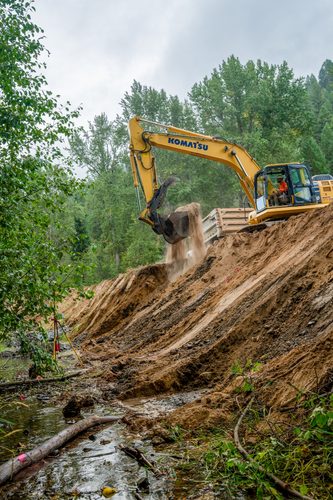
In Pennsylvania, which holds the most abandoned coal mines of any U.S. state, organizations have used that fund to clean up abandoned sites, said Anne Daymut, watershed coordinator at the Western Pennsylvania Coalition for Abandoned Mine Reclamation. Pennsylvania enacted its own Environmental Good Samaritan Act in 1999. The state law does not protect good Samaritans against federal regulations, but it does provide liability protection against civil lawsuits.
“The Good Samaritan Act is really just a supporting player. It’s a comfort layer for any groups that have some fear of the potential liabilities,” said Daymut, referencing the state-level law and adding that government funding was the main driver for launching abandoned mine cleanup projects in the state. Over 350 abandoned mine drainage treatment systems used to treat contaminated water in Pennsylvania were paid for by public money.
Good Samaritan Act may open the door for larger scale cleanups
While funding is a big piece of the puzzle, experts still say the importance of the federal Good Samaritan Act should not be overlooked.
“Without good Samaritan legislation, you could have all the hardrock abandoned mine funding you need and still not be able to do water treatment projects, which is a significant impediment to the ability to restore waterways,” said Ellis of the Interstate Mining Compact Commission. “The good Samaritan program will allow states and third parties like environmental organizations to be more active in that respect.”
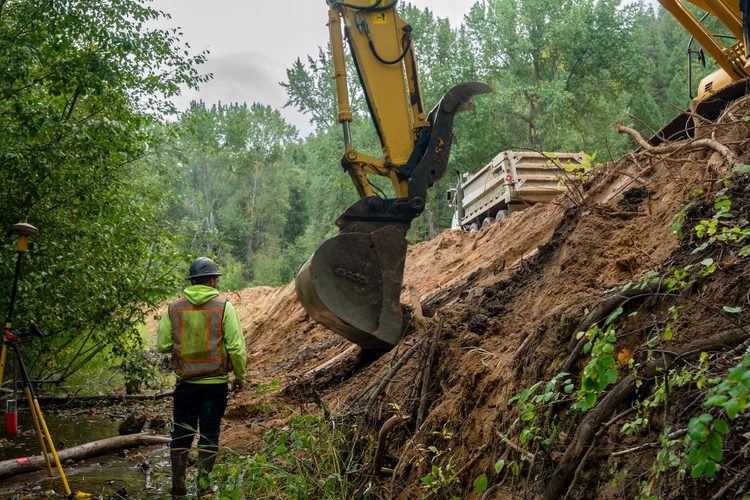
As the act’s first project gets underway, Trout Unlimited hopes more organizations are able to follow in its footsteps.
“The Good Samaritan Act isn’t a silver bullet, but we really feel like this is the opportunity to create the momentum to tackle this problem at the scope and scale it demands,” Trout Unlimited’s Fisher said.
The EPA told TriplePundit in an email that it has not yet received any other applications for the remaining 14 pilot projects under the Good Samaritan Act, but it expects more applications in the coming months.
“Applicant interest in the program is rising and the EPA plans to have all 15 permits granted and implementing the cleanups in the field over the next two to three years,” said Mike Bastach, an EPA spokesperson.