
Content warning: This story includes accounts of suicidal thoughts and domestic abuse.
A young mother sat crying during a counseling session with Elizabeth Mudzenge in Kuwadzana, a populous suburb of Zimbabwe’s capital, Harare. Seated upright on a wooden bench outside of the local clinic, 66-year-old Mudzenge tried not to get emotional, instead listening to her client’s struggles and offering guidance through a problem-solving therapy process called “opening the mind.”
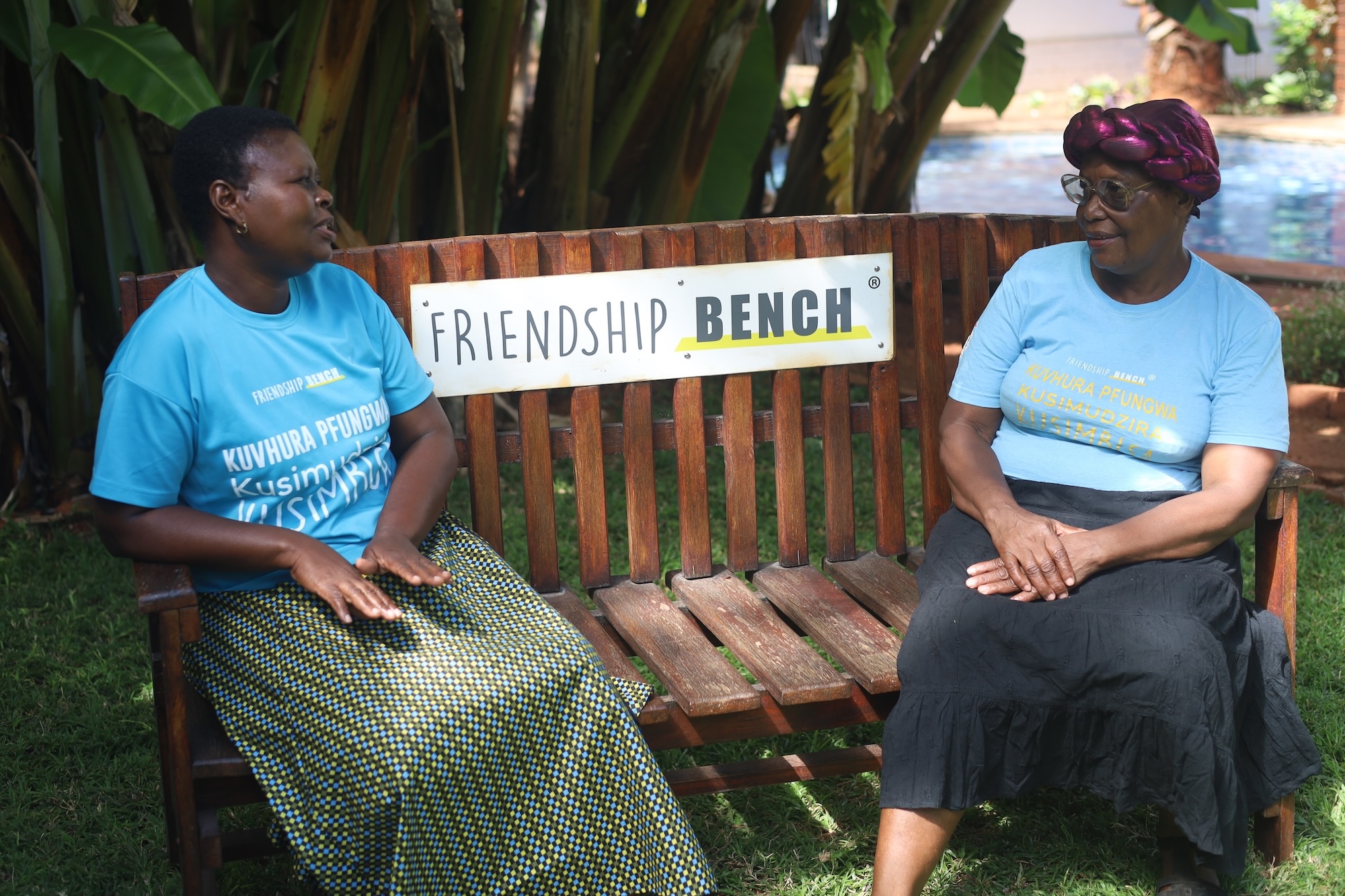
Mudzenge is one of the many local grandmothers who are part of Friendship Bench Zimbabwe, an NGO providing free mental healthcare to communities across the country.
“Trained grandmothers guide clients to define their problems, set achievable goals and identify practical action steps,” said Thandiwe Mashunye, head of programs at Friendship Bench Zimbabwe. They offer brief, structured talk therapy on simple wooden benches placed at clinics and in community spaces. Sessions typically last 15 to 45 minutes and continue over several weeks.
Still seated on the bench, Mudzenge gave her client a tissue to wipe her tears. The young mother, whose name is omitted for privacy, endured abuse from her husband and had purchased poison to end her life. “I asked her who would care for her children when she dies,” Mudzenge told TriplePundit. “She told me she had not thought about her children. She started crying. I left her for a few minutes to cry.”
During this counseling session, Mudzenge asked if she had reached out to her husband’s relatives for help. By the time the client came back to the bench after reaching out to a family member, her thoughts of suicide had gone away.
“I was so happy,” Mudzenge said of the young woman’s experience. It’s an example of Friendship Bench’s “opening the mind” method in practice.

Psychiatrist Dixon Chibanda started the Friendship Bench in 2006 by training local women, now popularly known as grandmothers, in evidence-based problem-solving therapy. Today they play an important role in providing mental health in a country experiencing an economic crisis and high levels of unemployment and substance abuse amid an acute shortage of psychiatrists. Fewer than 20 psychiatrists serve Zimbabwe’s 15 million residents.
People in Zimbabwe consider grandmothers the custodians of culture and respect them highly. For generations, many people sought help and advice from grandmothers around the country. That existing social role is why Friendship Bench focused on training women who are 50 years old and above.
“They are respected elderly women embedded in local communities, often recruited through primary health facilities and community leadership structures,” Mashunye said. “Grandmothers are rich in wisdom, lived experience, respected members, widely trusted, have time to volunteer and are seen as non-judgmental confidantes. Their cultural knowledge reduces stigma and improves acceptability.”
Mudzenge has been a community health worker for the past 40 years and joined the program a decade ago to broaden her knowledge in mental health. After five days of training, she did a one-month internship at the council-owned Kuwadzana Polyclinic.
“I have always had an interest in mental health, but I did not have the skills and knowledge. When the opportunity came, I grabbed it,” she said, seated at one of several wooden benches at the Friendship Bench Zimbabwe offices in Harare. “We sit on a bench with my clients who have anxiety or depression. I call them my grandchildren.”
The grandmothers handle cases involving emotional and relationship issues, trauma and violence-related stress, substance use, behavioral health problems, physical distress and other mental health conditions.
Zimbabwe also has one of the highest suicide rates in Africa, according to the World Health Organization, and the grandmothers address the topic often.
Annamore Mupfungidza, another grandmother who joined the program in 2016 and lives in Kuwadzana, worked with several people who wanted to commit suicide. The 57-year-old grandmother of five said most of her clients are young women who are physically and emotionally abused by their husbands.
“I see my client as my grandchild,” said Mupfungidza, who is also stationed at the Kuwadzana Polyclinic. “Women do not share their problems. I encourage them to always talk about it.”

The grandmothers are taught to recognize the severity of a client’s situation through a screening tool that flags conditions beyond their training, like psychosis, severe substance use or acute suicide risk, Mashunye said. They refer these cases to professional mental health nurses, psychologists, or psychiatrists within the public health system.
Friendship Bench Zimbabwe says it has reached more than 1 million people over the past 20 years, 69 percent of whom are women.
The initiative works in partnership with the Ministry of Health, University of Zimbabwe and World Health Organization on mental health programs. It receives funding from international philanthropic organizations and donors, but it still faces financial limitations.
Mudzenge said she is supposed to follow up when clients miss their appointments but cannot do so because of resource constraints, and some of the organization’s activities outside of counseling have been cut. “We used to have resources to support some clients in establishing businesses, but these days resources are a challenge,” she said.
Mashunye, Friendship Bench’s head of programs, agrees. “There is a lack of sustained funding and logistics for continued training, supervision, and data systems as the model scales nationally and internationally,” she said.
At the same time, broader socioeconomic challenges like unemployment, poverty, and post-traumatic stress are driving demand beyond the initiative’s available capacity, Mashunye said.
The limited resources available for mental health places growing pressure on community-delivered care options like Friendship Bench Zimbabwe. But stories like Mudzenge’s show the model can work, and other countries are catching on.
The Friendship Bench was replicated in Kenya, Malawi, Tanzania, Botswana and the United States.
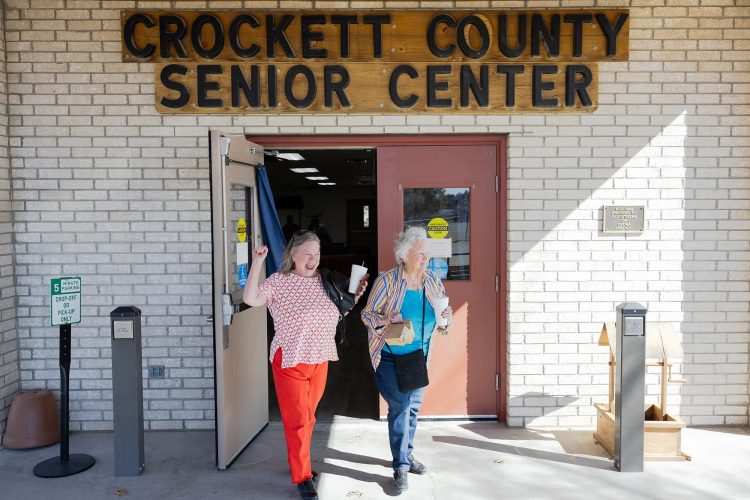
In 2024, HelpAge USA, an international nonprofit that champions the welfare of older people in more than 80 countries, launched the program in Washington, D.C. It is now available at 14 locations, including schools, senior wellness centers, recreation centers, library branches, social services organizations and a church. To date, more than 20 U.S. grandmothers trained by the team from Friendship Bench Zimbabwe have organized over 500 sessions there.