
Electricity is reaching more people in Africa than ever before. Governments and utilities are investing heavily, and new connections are reaching communities long excluded from power systems, leading to a more than 100 percent increase in total electricity production over the last two decades. But improving access alone has not delivered the economic gains many hoped for.
Utilities are running into debt partly due to consumption not matching expectations. Even where power has arrived, productivity has not followed at the same scale because electricity alone does not create opportunity. People do. Leaders in Africa must drive awareness and investment into both power infrastructure and the tools that help people put that power to work.
The missing piece of energy access
People are already putting electricity to use in their homes, small businesses and farms across Africa. But in these same regions, lack of appropriate, affordable appliances limits the full impact of expanded energy access. Without refrigerators to cut food waste, pumps to irrigate fields, mills to process crops, or stoves that save time and fuel, electricity stays underused. The result is a growing gap between power access and real economic opportunity.
Addressing this broader challenge is at the core of CLASP’s work. For 25 years, our team has worked across over 90 countries to improve how efficient appliances are designed, financed, and used by providing groundbreaking research, practical tools and expert advice. In a report published last year, we found that this energy access gap is as much a demand problem as it is a supply one.
Getting more appliances into the hands of African households and businesses must be prioritized alongside grid investments. It’s also essential that these appliances meet globally accepted standards for energy use and reliability. Increasing appliance access across Africa could generate around 342 terawatt hours of new electricity demand each year, creating a $50 billion market that justifies further investments into power grids and lowers the burden of climate change across these communities.
Our research found that getting there does not require reinventing the energy system but redirecting about 15 percent of energy-sector investment toward improving appliance access in regions where energy consumption remains low.
The solution in action
Cost remains the biggest barrier to widespread energy-efficient appliance adoption across Africa and other markets. Grants and subsidies can lower both financial risks for suppliers and prices for customers. Lowering costs and educating markets on the benefits of quality, high-efficiency appliances helps ensure that people invest in products that actually perform, last and deliver the benefits they promise.
African governments are increasingly recognizing this opportunity. Ghana took action in 2023 to ensure only quality appliances enter the market by adopting mandatory energy performance standards and compulsory energy labelling. Similar policies in South Africa and Kenya have helped ease pressure on national grids, curb rising electricity costs and prevent inefficient products from flooding local markets.
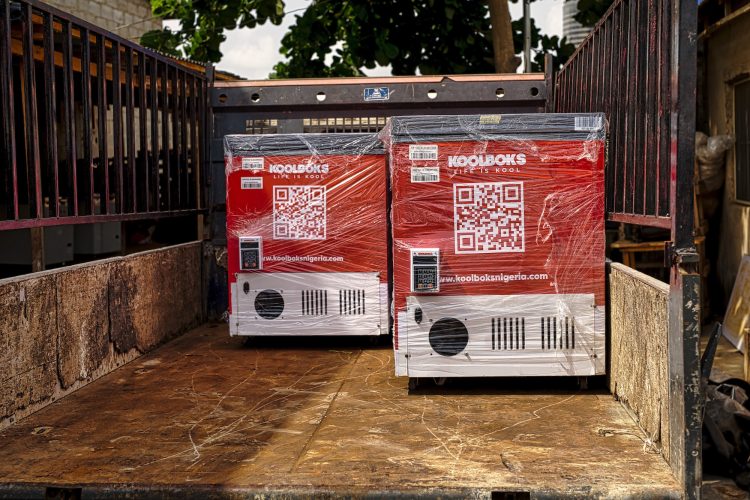
From CLASP’s work promoting and deploying solar appliances across Africa, we’ve seen how locally-led, research-driven solutions can turn energy into opportunity, proving that waiting for the perfect grid is not necessary. In Nigeria, portable solar-powered grain mills are helping farmers, many of them women, process harvests more efficiently and reduce losses. In Kenya, solar refrigerators are helping shopkeepers sell cold drinks, preserve meat and fish, and keep vaccines and medicines safe in clinics that lack reliable grid power. In Ethiopia, solar water pumps are giving farmers a more affordable way to grow food.
These appliances are still reaching only a fraction of the people who need them, not because the value is unclear, but because the cost remains out of reach. When that barrier is lowered, even just a little, the uptake is fast, and the economic impact is immediate.
Efficient appliances are a strategic lever for governments
Energy systems are under pressure, climate shocks are hitting harder and more often, the cost of living is rising, and utilities are struggling with strained grids and limited revenue. At the same time, public budgets are tight, and governments must show that energy investments deliver real economic returns.
Efficient appliances do more than just save energy. They are a tool governments can use to tackle multiple national priorities at once. They help people to do more with less electricity, easing grid strain and allowing utilities to avoid or delay expensive infrastructure investments. Public funds that would have gone to expensive power projects can instead support priorities like health, education and jobs.
Through initiatives like CLASP’s Productive Use Financing Facility, I’ve seen firsthand how smart appliance investment can deliver real results. The facility has expanded access to solar refrigerators, water pumps and milling equipment across off-grid, mini-grid and grid-connected systems. Often, electricity reaches homes years before it can impact people’s livelihoods. This changes when efficient appliances enter the equation. Introducing efficient water pumps or refrigeration means that power suddenly starts supporting agriculture, creating jobs and keeping young people financially engaged.
As Ethiopia’s Deputy Prime Minister, His Excellency Adam Farah, said at the Africa Energy Forum in December 2025: It’s not just about generating more electricity, it’s about using it smarter and investing the savings in other national priorities.
None of this happens without decisive government action. Policies alone won’t put efficient appliances in people’s hands. Governments have done this before, and I’ve seen firsthand what’s possible in my home, Ghana. When they invest public capital, set clear priorities and commit for the long term, adoption follows. Without leadership, countries will keep building grids that look good on paper but fail to deliver real economic value. Efficient appliances deserve the same treatment as other infrastructure because that is how power starts delivering jobs, income and economic growth.
Equity by design
Improving appliance access also breaks down barriers that disproportionately fall on women. In many countries, women shoulder most of the work electricity could make easier, from food processing to collecting water. When efficient refrigerators and water pumps are affordable and accessible, women save time, effort, and money and reinvest that energy into their families and businesses.
In homes where women gained access to these tools through the Productive Use Financing Facility, average incomes jumped 94 percent. Women aren’t just beneficiaries here, they’re central to Africa’s energy transition and to its food, trade and local economies.
Through funding initiatives and more mindful product standards, I’ve seen how the right appliances can transform communities. For governments, it means stronger utilities, more productive jobs, and better returns on energy investments. For donors and investors, it means backing demand-driven markets where people are already using power productively. Utilities benefit from reduced strain and more reliable revenue, while manufacturers and distributors gain lower-risk entry into new markets.
But the real gains come when these groups act together. Research from CLASP shows that appliances can deliver 20 percent of the energy savings needed to double global efficiency by 2030 — evidence that smart appliance investment, policies and practical solutions can advance energy, climate and economic goals all at once.
Electricity is only the beginning. What matters is what people can actually do with it. Across Africa, farmers, shopkeepers and manufacturers are already showing what’s possible. They are not waiting for perfect systems. They are waiting for tools that make power useful. If energy investments are intended to create jobs, raise incomes and strengthen economies, then access alone is not enough. Efficient appliances are the bridge between access and opportunity, and crossing it is no longer optional.
CLASP’s Productive Use Financing Facility is supported by The Global Energy Alliance for People and Planet.