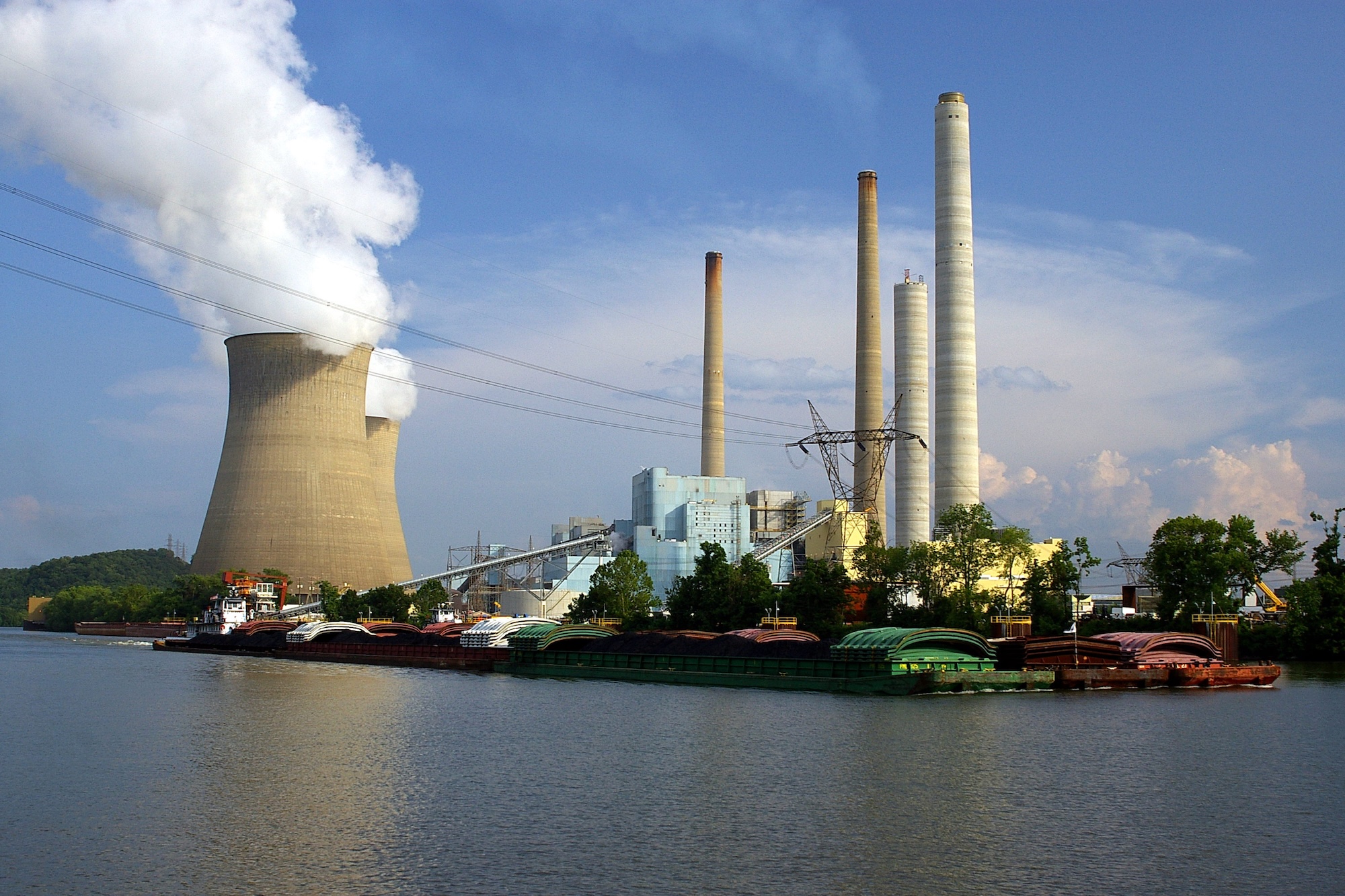

When United States President Donald Trump promised to “Make America Great Again,” his voters may not have expected an increase in pollution, lung disease, and cancer linked to coal power plants, but that’s exactly what they’re getting. The Trump administration is relaxing emissions rules and forcing outdated coal power plants to stay open. As environmental organizations, state agencies and even some utilities push back in court, voters will get another opportunity to stand up for their concerns in the upcoming midterm elections.
The return of coal?
The president considers coal to be a crucial part of the U.S. energy profile and argues that burdensome regulations imposed by Democrats are artificially holding the sector back. In reality, the economics of coal haven’t worked in years for reasons that have little to do with regulation. Utility companies are rapidly replacing coal power plants with natural gas and renewables like wind and solar because they’re cheaper, more efficient, less cumbersome to transport, and come without the expense and risk of coal ash disposal.
Last year gas claimed 41 percent of power generation while coal slipped to 17 percent. Utility-scale (more than 1 megawatt in size) wind and solar farms are beginning to compete with both gas and coal, edging past coal at 18.9 percent of power generation last year. Looking ahead, the combination of utility-scale and small-scale wind and solar, hydropower, and other renewables is expected to reach 39.7 percent of generating capacity by March of 2027.
Still, the administration seems intent on propping up the dying industry, whether utilities and communities like it or not. Last week, the U.S. Environmental Protection Agency (EPA) announced plans to further weaken discharge rules meant to restrict the release of untreated coal wastewater into streams and rivers across the country.
Airborne emissions usually come to mind first when considering pollution from coal power plants, but the toxicity also extends to water pollution. Coal power plants produce between 100 million and 130 million tons of combustion waste each year in the form of dry or wet ashes. Though a small portion is recycled, most of it is disposed of in unlined landfills or lagoons. Even when those impoundments are capped, they are frequently located near rivers and other waterways, and ash under the cap can continue to leach arsenic and other pollutants into groundwater.
Though significant breaks in coal ash impoundments are rare, when they do occur the results are catastrophic. In 2008, for example, 1.7 million cubic yards of fly ash slurry escaped from a disposal site in Tennessee, burying 300 acres in sludge, damaging dozens of homes and entering the Emory River. Hundreds of cleanup workers without proper gear were sickened with respiratory problems and other ailments. Dozens died, and others fell ill when the ash spread into homes. The incident, which is still known as the largest industrial spill in U.S. history, prompted stricter regulation of coal ash sites in the following years.
The EPA currently lists 775 coal ash disposal sites at 300 regulated coal facilities. During former President Joe Biden’s last year in office, the EPA updated its rules governing effluent from ash disposal sites including arsenic, mercury, and bromide, among other pollutants. In effect, the updated rule required plant operators to eliminate all wastewater discharges or stop burning coal altogether by 2034.
Nevertheless, consistent with Trump’s support for fossil energy, the EPA issued a final rule delaying the updated requirements in February. And last week, it moved to eliminate another requirement that coal plants treat their wastewater to remove heavy metals and other toxins before releasing it into nearby waterways and clean up contaminated groundwater around coal ash dumps.
The Sierra Club is among the environmental organizations pushing back, noting the updated rules would have eliminated more than 325,000 tons of coal wastewater discharged to rivers and other waterways each year.
Research shows coal pollution rules save lives
Along with the risk of coal ash disposal, the impacts of coal combustion itself are all too real, and the results of stricter regulations are dramatic. In a recent study, researchers estimated that exposure to fine particulate matter (PM2.5) from coal power plants was responsible for 460,000 deaths in the U.S. between 1999 and 2020, roughly double that of PM2.5 deaths from other sources. Most occurred before 2008, when PM2.5 recordings were at their peak, and the rate declined about 95 percent by 2020 under stricter air pollution rules.
“PM2.5 from coal has been treated as if it’s just another air pollutant. But it’s much more harmful than we thought, and its mortality burden has been seriously underestimated,” Lucas Henneman, an assistant professor at George Mason University who led the research team, said in a statement.
The EPA last imposed PM2.5 emissions standards on coal plants in 2012 and tightened them again in 2024, requiring power plants to upgrade their pollution control equipment or shut down. Despite the economic and public health arguments in favor of reducing emissions, last year Trump delayed enforcement of the stricter standards and exempted up to 148 coal units at 68 facilities from compliance.
“The exemptions were granted based on the claim that pollution-control technology is ‘not available.’ That claim is wrong and indefensible,” the Natural Resources Defense Council said in a statement. “The vast majority of plants already have cleanup equipment installed that can meet — and have met — the safer pollution limits.”
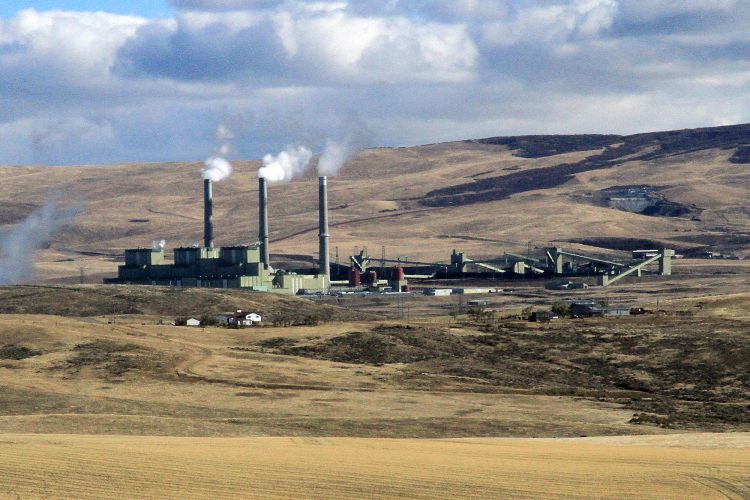
Meanwhile, Trump has taken extraordinary steps to keep old coal power plants running past their scheduled retirement dates. His tool of choice consists of highly unusual emergency orders from U.S. Energy Secretary Chris Wright, summarily issued without regard to the careful, years-long planning involved in retiring coal units.
The J.H. Campbell power plant in West Olive, Michigan, is one example. Last year, Wright issued an emergency order requiring the 1960s-era plant to stay open past its scheduled retirement date of May 31, 2025. Michigan’s Attorney General challenged the actions in court, arguing the emergency order “disregards all prior planning and regulatory approvals, in yet another example of the Trump administration arbitrarily declaring a false emergency as a pretext for advancing its policy agenda by means outside its normal authority.”
State officials from Minnesota and Illinois supported the Michigan case in oral arguments last Friday, along with the environmental organization Earthjustice.
The owner of the plant, Consumers Energy, also challenged the emergency orders, claiming losses of $575,000 each day since May of last year caused directly by operating the plant past its retirement date, a cost that will be passed on to consumers.
Concerned citizens fight back
Considering the Trump administration’s actions, it’s no surprise that airborne mercury and sulfur dioxide emissions from coal power plants rose in 2025 compared to a year earlier. Wright’s emergency orders resulted in higher costs for ratepayers. And the country’s remaining coal miners are suffering, as Trump rolled back federal protections meant to prevent workers from inhaling the deadly silica dust that causes black lung disease. Local groups, states and environmental organizations continue to fight back against the administration in court to mitigate these impacts.
In addition to legal battles over Energy Secretary Wright’s emergency orders, the push to properly remediate coal ash sites continues. In Alabama, for example, the legal fight to remove coal ash from a disposal site in the Mobile-Tensaw River Delta region is still active. The owner of the site, Alabama Power, planned to leave the ash in place and simply cover the unlined pit, allowing arsenic, mercury and other heavy metals to remain in contact with groundwater resources.
The energy markets will also have a say. The Alabama Power case, for example, underscores the tenuous financial position of coal compared to other energy resources. The utility has already spent more than $250 million on coal ash remediation and anticipates that its total expenses will top $1 billion, Courthouse News Service reports.
Another bellwether is the newly proposed acquisition of the power producer Dominion by another leading firm in the field, NextEra. If approved, the acquisition will create the single largest power plant developer in the world. While gas and nuclear will most likely play a role given the two companies’ focus on meeting data center demand and other large loads, NextEra’s subsidiaries are already eliminating coal power from their fleets. Dominion, the developer of a 2.5-gigawatt offshore wind farm that Trump tried to stop, has also reduced its coal fleet over recent years.
And despite Trump’s extraordinary efforts to harm wind and solar stakeholders, these two resources are widely recognized as the fastest and most economical way to expand the nation’s power generation fleet, with energy storage adding a layer of 24/7 availability regardless of the weather or time of day.
In the end, the U.S. electorate will have the most powerful say in the matter. Voters missed a chance to take full advantage of these clean, abundant resources in 2024 when 77 million of them swept Trump — and his fossil fuel agenda — into office for the second time. But the mood has since changed. Voters have dramatically soured on Trump, with just 37 percent approving of his job performance in a New York Times and Siena poll released earlier this week. Republican voters continue to support Trump’s agenda, but disapproval among the key voting bloc of independent voters is sliding, from 69 percent in January to 62 percent in the May poll.
Feature image credit: Wigwam Jones/Flickr